
Crypto games are video games built with some elements of non-fungible tokens, coins, and blockchain.
Fortnite, Roblox, Call of Duty, and World of Warcraft, among others, are some of the popular traditional games we know. Some call them Web2 video games. However, these kinds of games lack a system that rewards players for their time and money.
You don’t really own in-game items in Fortnite and others. You can’t directly sell individual Fortnite skins for real money through Epic Games, for instance.
Crypto games were born out of these limitations to allow players to own assets and earn from playing. And no, crypto gaming is not just about play-to-earn. There are other types of crypto games, which we will share in this article.
What Is Crypto Gaming?
Crypto gaming is a relatively new category of gaming that involves crypto, non-fungible tokens, and blockchain technology.
In crypto games, players actually get to own their assets. The characters, skins, weapons, land, or items in the gameplay are all issued as NFTs, which allow players to buy, sell, trade, or transfer them on open marketplaces.
CryptoKitties is one of the first widely recognized crypto games. Players were able to buy, breed, and trade unique digital cats as NFTs. Some of the rare CryptoKitties were sold for over $100,000.
There are over 3,000 crypto games today of different genres, according to insights from PlayToEarn. The market is predicted to balloon to $300 billion by 2030.
How it differs from traditional gaming
Blockchain makes all the difference. It allows developers the extension to create economies that enable true asset ownership, one where the in-game items are also tradable for real money.
These are options you don’t get in Web2 games. When you buy a skin, a weapon, or a piece of armor, you are only purchasing a license to use that item within the game. If, for any reason, the game is shut down, the items go with it.
But the case is different with crypto games because assets are stored on the blockchain in your crypto wallet. So, you still get to access them even when the game is shuttered.
Crypto gaming vs Web3 gaming vs GameFi
It’s very common to see people refer to crypto gaming also as Web3 gaming or GameFi, but there is a subtle difference in their meaning.
Crypto gaming is the umbrella term that refers to games that make use of cryptocurrencies, NFTs, or blockchain.
Meanwhile, GameFi is a blend of game and decentralized finance. It’s more about games that involve token or NFT staking, liquidity pools, yield farming, and other DeFi earning offerings.
A lot of play-to-earn games were promoted under GameFi. But many of them died faster than they could gain traction. The developers got hooked on the money part, rather than making quality games that people want to play. It led to a frenzy where players rushed to farm new gaming tokens or rewards.
Web3 gaming is a pivot from the GameFi narrative. It’s more about games that focus on player experience. For Web3 gaming, the fun and gameplay quality come first, before the rewards. The games are built in line with the core ethos of Web3.
Why blockchain matters in gaming
Again, crypto games are what they are because of the blockchain.
We know blockchain to be a transparent and immutable ledger technology. Web2 games would lock in-game assets on centralized servers, but crypto games record their assets and tokens transparently on the blockchain.
Blockchain is the reason Web3 games can actually decentralize the gaming experience and unlock liquidity for in-game assets. Players can buy, sell, or trade their NFT assets on marketplaces like OpenSea without permission from the game developer.
According to reports, gaming NFTs represent 38% of the total NFT market transactions in 2025.
How Crypto Gaming Works
Here’s a breakdown of how blockchain, NFTs, and cryptocurrencies are used in video games.
Step 1 — The Game Runs on a Blockchain or Layer 2
Most crypto games are partially on-chain. The gameplay itself is built using game engines like Unity or Unreal Engine. Some of the actions, like player movement, combat, instantaneous chat, graphics, etc., are all processed off-chain.
The game tokens, NFTs, and smart contracts that enforce the logic for the game’s economy are what actually run on the blockchain.
Ethereum, Solana, Polygon, Immutable X, Avalanche, and Ronin Network are some of the top choices of blockchain for crypto gaming.
Step 2 — Players Own In-Game Assets (NFTs)
In crypto games, the characters, cosmetics, collectibles, virtual land, gears, weapons, etc., are all created as NFTs.
So, whatever items players acquire in the game are portable on-chain. They can choose at any time to sell or transfer the assets outside of the games, without needing permission from the publisher.
For instance, plots of virtual lands in Decentraland or The Sandbox are currently listed for trading on OpenSea.
Step 3 — The Game Uses Tokens or Crypto Rewards
Many Web3 games use native tokens as in-game currency to allow players to buy and sell items within the game. The tokens are also used to reward players under the play-to-earn model.
Some tokens, like MANA, SAND, etc., also double as governance tokens. That means players can vote on key platform decisions about the game using their tokens.
Step 4 — Players Trade or Sell Assets
As mentioned earlier, all the items and collections from crypto games are portable on-chain. You can buy, sell, or transfer them across crypto wallets for real money.
Axie Infinity is one other example. Axies are currently listed on OpenSea. Over $16.2 million has been traded since listing in March. In fact, gaming is a big part of the NFT market. Recall that 38% of transactions this year came from crypto gaming, according to reports.
This, for one, proves players truly own their game items. In Web2 games, any attempt to trade assets outside the game would have constituted a violation.
Step 5 — The Game Economy Runs on Smart Contracts
Smart contracts are central to the crypto game’s economy. They are self-executing code on a blockchain that enforces the rules of the game.
The use of smart contracts is how Web3 developers are able to automate certain functions, mint and burn in-game characters or craft, and distribute rewards to players. Most token and liquidity transactions are settled automatically in the games through smart contracts.
Core Components of Crypto Gaming
Below are some of the components of crypto gaming that enable players to own assets and earn from games.
Crypto wallets
Crypto wallets act as your gaming account for Web3. You cannot play Axie Infinity if you don’t have a Ronin wallet or an Ethereum wallet like MetaMask for games based on the Ethereum blockchain.
Also, the wallet is where you get to store your in-game assets and tokens.
NFTs and digital ownership
The in-game assets like the cosmetic skins, crafts, weapons, and so on, all come in the form of NFTs.
A non-fungible token is a unique, non-interchangeable unit of data stored on a blockchain. So in crypto gaming, the items are tokenized as provable deeds on-chain, which are recognized by the game’s smart contract.
Game tokens
Most game tokens are used as currencies or governance.
As a currency, the tokens can be used by players to purchase in-game items, breed or craft special items, as the case may be. It is also used as a reward to players in play-to-earn games.
The token also grants holders or players voting rights on matters that concern the future of the token. This is one way developers are able to democratize their games, giving the players a sense of ownership.
On-chain identity
Recall that you need crypto wallets to play Web3 games.
Your wallet address gives you an on-chain identity, which, interestingly, is not confined to any single game. All the progress you made and assets collected from playing one crypto game can potentially grant you special privileges or airdrops in an entirely new game.
DAOs controlling games
Some crypto games are controlled by DAOs or Decentralized Autonomous Organizations. In such a setting, major decisions are handled by the community rather than the founding developers. This is where the governance tokens come in play, allowing holders to vote on proposals.
Star Atlas, Decentraland, The Sandbox, Illuvium, and Axie Infinity, among others, are some of the popular names that have a DAO.
Tokenomic design + sustainability
Tokenomics play a big role in the longevity of crypto games. Some games died much earlier simply because the tokenomics weren’t sustainable.
By tokenomics, we mean the economic rules on the supply, distribution, and burning of the game’s tokens. Most of the games that fell off were mostly run as Ponzi, with too many emissions and little value tied to the gameplay. A sustainable tokenomics would be one that adds utility to gameplay and encourages players to burn tokens in the way of crafting and repairing items.
Types of Crypto Games
Play-to-earn games are arguably the most popular crypto games, but there are several other types that are interesting as well.
Play-to-Earn (P2E)
P2E made the first wave in crypto gaming. These were the kind of crypto games that focused on rewarding players for battling, questing, breeding, and other repetitive actions in the gameplay.
Axie Infinity, Undeads Games, Illuvium, The Sandbox, etc., are some of the popular P2E games.
Play-and-Earn
Play-and-Earn games put the gameplay first before the earning, due to the narrative around P2E being overly focused on the money. Play-and-Earn games are the type people play for the fun of it.
Collectible NFT games
These are more like trading card games where players collect, trade, own, and sometimes battle with rare NFT collectibles.
Gods Unchained, Splinterlands, Cards of Eternity: The Wheel of Time, and Heroes of NFT are examples of trading card games.
Metaverse/world-building games
Metaverse games are the type of crypto games that feature a virtual world simulation, where players can own digital assets, like lands and real estate, and also interact with others.
Pixels, MOBOX, and My Neighbor Alice are some of the popular metaverse games.
On-chain strategy/RTS
On-chain strategy/RTS refers to crypto games, within the Real-Time Strategy (RTS) genre, where all core gameplay logic, resources, player state, battles, assets, etc., are handled on a blockchain via smart contracts.
Dark Forest, Valannia, and Sky Strife are some of the popular on-chain strategy/RTS games.
Move-to-Earn
Move-to-earn is a crypto gaming model that encourages people to walk, run, cycle, or perform some physical, real-world activity to earn rewards. It’s more like a way to help people gamify their fitness.
STEPN is the most popular M2E game. Others include SweatCoin, Step App, Genopets, and so on.
Fully on-chain games (FOCG)
FOCG refers to crypto games where all the interactions, logic, and game states are coded in smart contracts on the blockchain. This is unlike other games, where only the tokens and in-game assets are deployed on the blockchain, while the core game state lives on a traditional server.
Examples of Crypto Games & Platforms
1. Axie Infinity
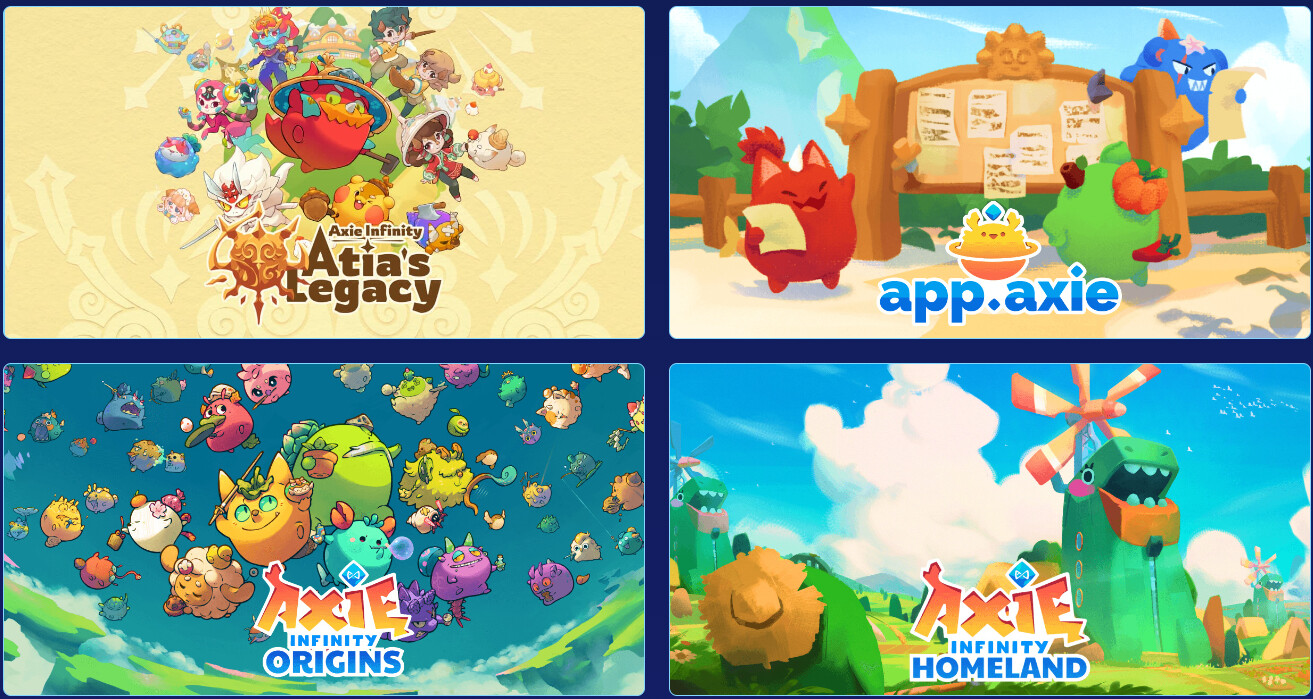
Axie Infinity is a crypto game based on the Ronin Network where players collect, breed, and battle unique digital pets called Axies in real-time. Axie Infinity was developed by Sky Mavis and has seen over $4 billion in total sales.
2. Gods Unchained
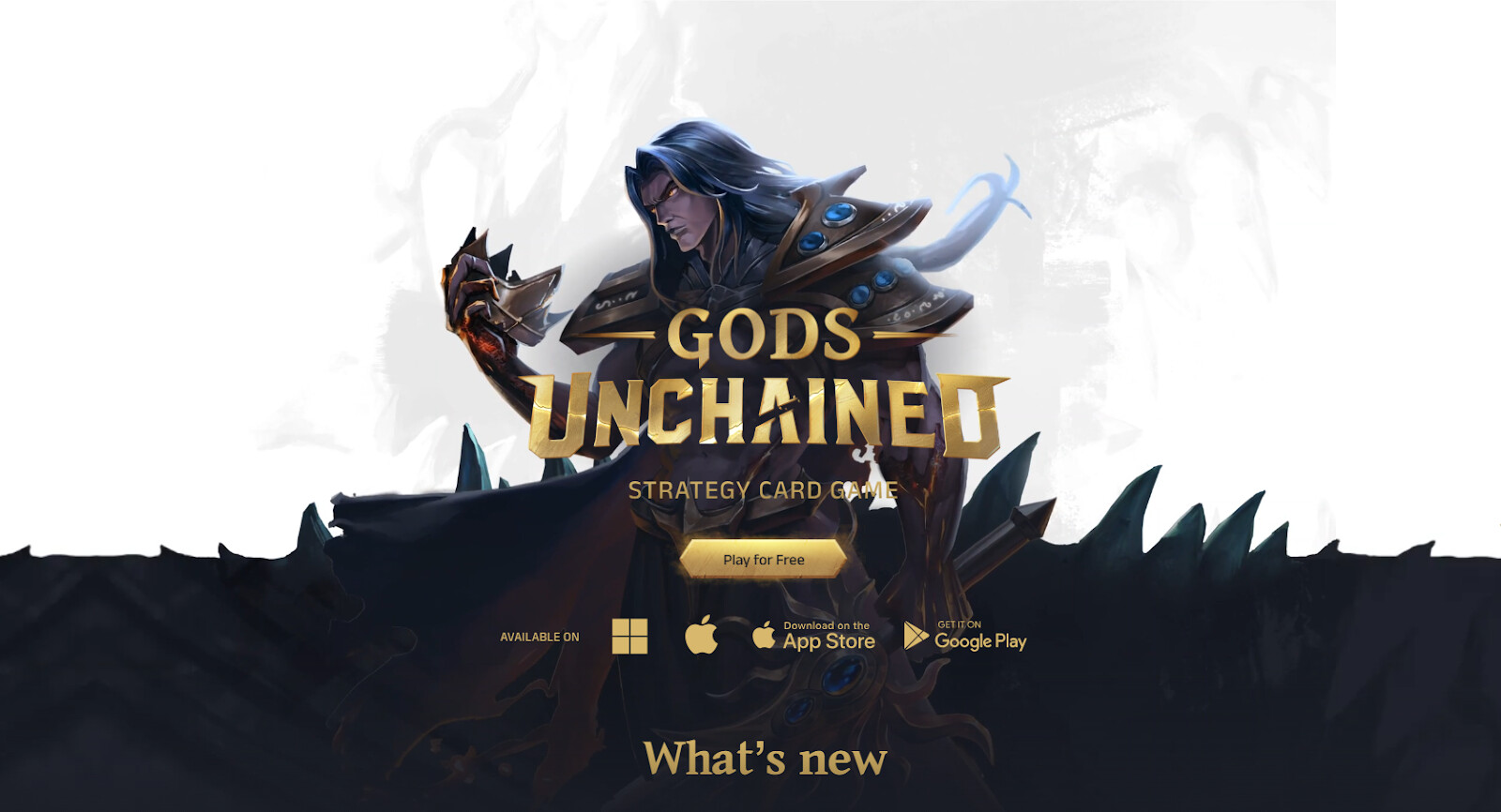
Gods Unchained is an online strategy trading card game based on the Ethereum layer-2 network, Immutable X. In the game, players compete strategically to outsmart their opponents by building decks that can combat a wide variety of tactics. Gods Unchained was developed by Immutable.
3. Star Atlas
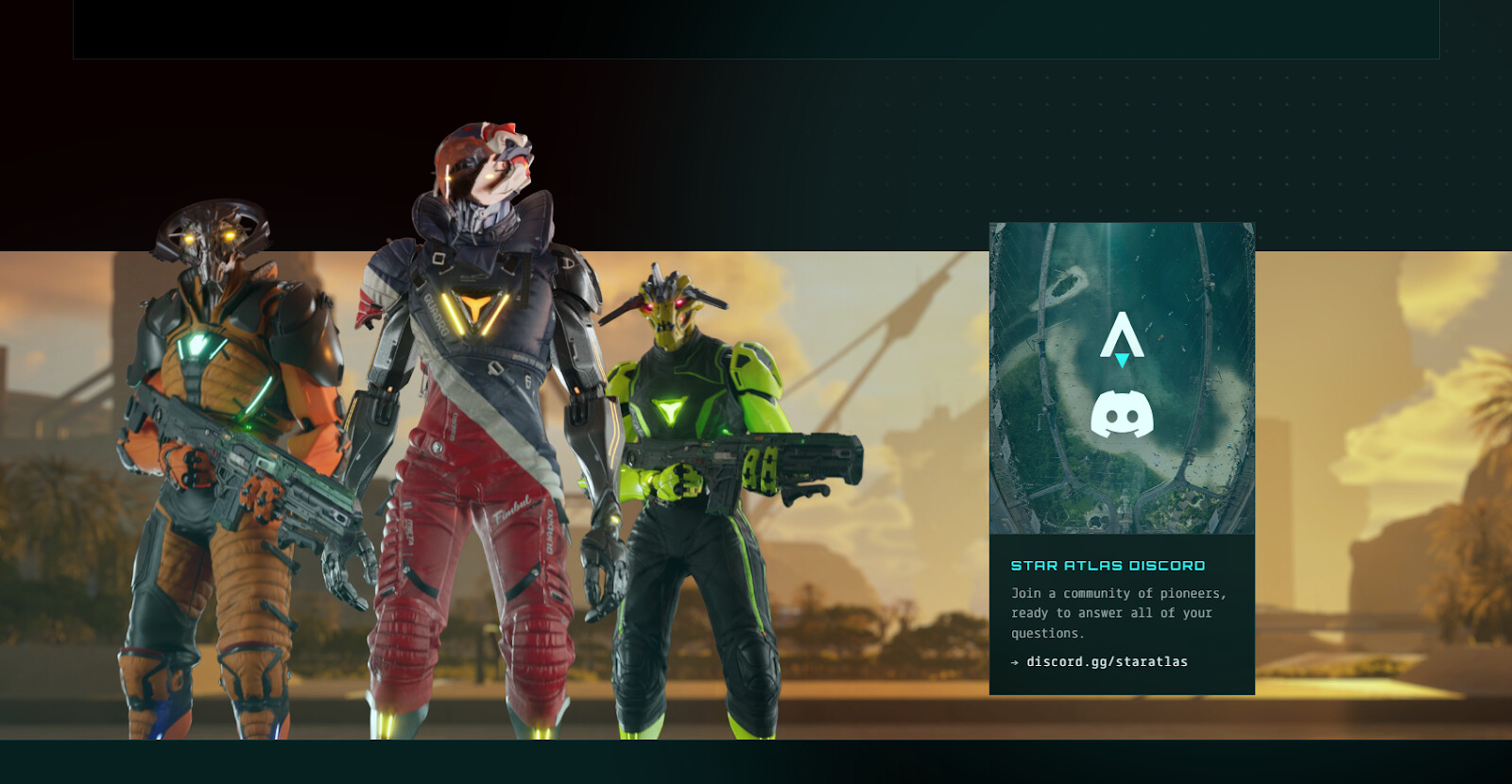
Star Atlas is a space exploration game where players fight for resources and territory with intense ship-to-ship and FPS combat. The game is based on the Solana blockchain. It was developed by ATMTA, Inc.
4. Big Time
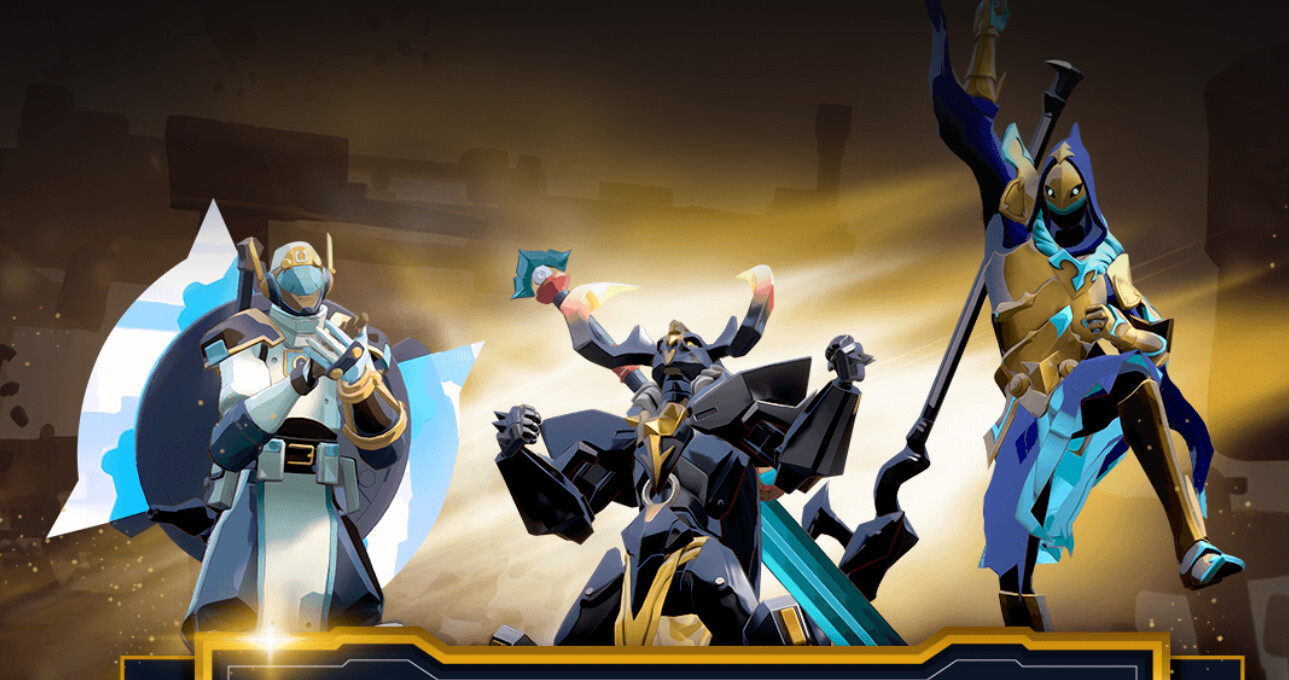
Big Time is a multiplayer action RPG game for PC users that features fast-action combat and adventure through time and space. Big Time was built on Ethereum by Big Time Studios, a company co-founded by Ari Meilich, the former CEO of Decentraland.
5. Illuvium
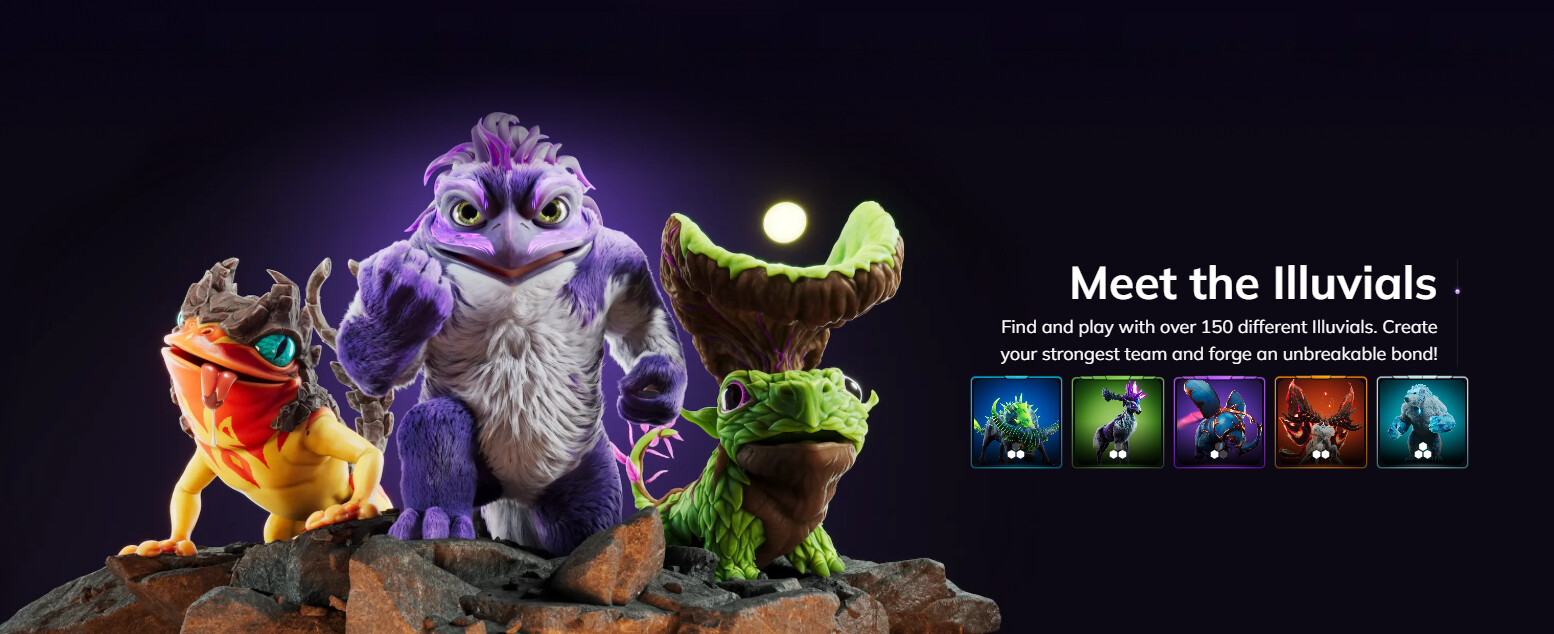
Illuvium is an open-world fantasy battle and role-playing game built on Ethereum. It also leverages the scaling solution on Immutable X. The Illuvium game was developed by Illuvium Labs.
6. Pixels
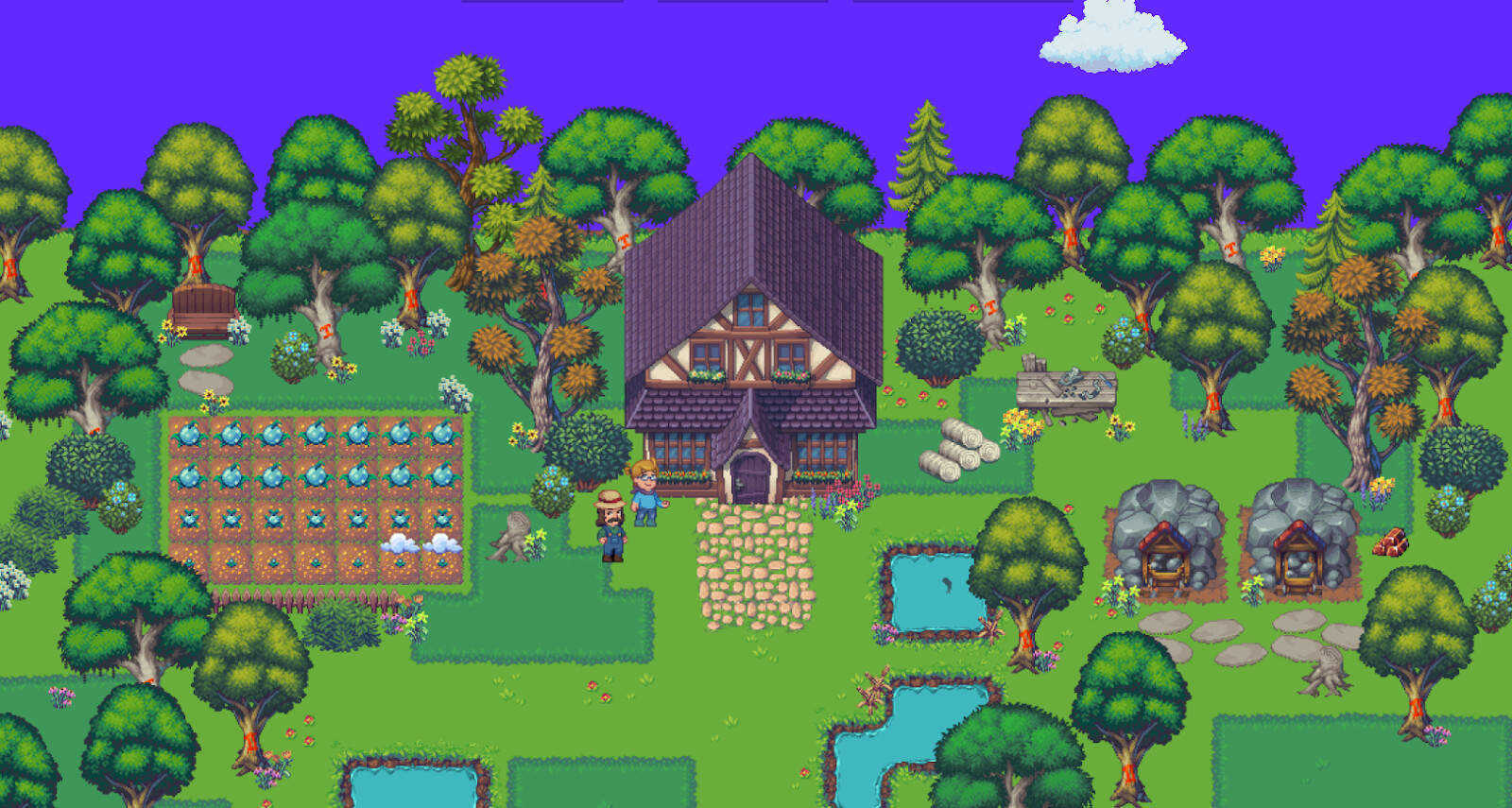
Pixels is an online farming game where players cultivate crops, raise animals, and build empires. Pixels is based on the Ronin Network.
7. Parallel

Parallel is a sci-fi franchise and trading card PC game based on Ethereum. The game was developed by Parallel Studios, and it is currently only available in Beta.
Below are some of the biggest gaming ecosystems.
Immutable X
Immutable is one of the leading gaming ecosystems. In April, the co-founder Robbie Ferguson announced that they onboarded 5 million wallet users, partnered with three multi-billion dollar companies, and doubled their signed games to more than 500 in just the past year. In September, Immutable was reported to have onboarded over 680 games.
Ronin
Ronin is among the prominent gaming ecosystems. In November, Ronin Network won the award for the best gaming ecosystem in 2025. Over 30,000 players participated in the Ronin Arcade Season, a multi-game event featuring games like Axie Infinity and Pixels. As of December, Ronin sees more than 325k daily active addresses, according to Token Terminal data.
Solana Gaming
Solana also has a vibrant gaming ecosystem, with top games like Star Atlas, Valannia, Aurory, Genopets, and others. On-chain data from DappRadar shows Solana recorded nearly 2 million unique active wallets from games alone in the last 30 days. Games also accounted for nearly 12 million in the 30-day transaction count.
Polygon zkEVM + Immutable
Immutable zkEVM is an EVM-compatible ZK-rollup network developed by Immutable and Polygon to accelerate decentralized game development. In late 2024, the ecosystem recorded an 80% quarter-over-quarter growth in daily active addresses to 267,000. In Q1 2025, the average daily transactions had increased by 5.7% from around 469,000 to 498,000. However, in April, Immutable announced that it would merge the network with Immutable X.
Benefits of Crypto Gaming
The benefits of crypto gaming come in direct contrast to the limitations we have in regular Web2 games.
True digital ownership for players
In Web2 games, players only get licenses to in-game assets. The developers can confiscate or delete them. If the game shuts down, the assets go with it. But crypto gaming allows players to truly own their assets in the form of NFTs.
Ability to trade items freely
The in-game items as non-fungible tokens are portable on-chain. So, players can choose to list them for sale or buy new items from third-party marketplaces for real money.
Cross-game interoperability
Cross-game interoperability is one feature still being explored. But there is a potential that a sword, skin, and other in-game items from one crypto game can be recognized in other games.
New revenue structures for creators & players
Most traditional games extract value from different activities, with developers being the sole recipients. In Web3, both creators and players earn rewards from crypto gaming.
Transparent economies
The NFTs and tokens in crypto games are deployed on the blockchain, which itself is an immutable and transparent ledger. So, all the transactions that happen within any game are permanently recorded on the blockchain.
Risks & Challenges
Crypto gaming models are not perfect. There are still some risks associated with them.
Token price volatility
The price of gaming tokens can swing wildly, just as every other cryptocurrency. In fact, in the last 30 days, the gaming token lost over 26%, with the trading volume down by over 46%, according to CoinMarketCap data.
Unsustainable P2E models
One of the reasons some play-to-earn games shut down was due to unsustainable inflationary tokenomics, where the tokens are constantly minted as rewards for playing, and no utility or supply is burned. So, more supply floods the market, pushing the prices lower.
Regulatory uncertainty in the U.S. & EU
Regulations are one thing to consider, especially for crypto games that offer staking opportunities. In the U.S., there is yet to be a law passed on whether and when token staking constitutes a security.
High gas fees
Transactions on the blockchain cost a fee. So, you should expect to pay fees when you buy, sell, or transfer your gaming assets across wallets. And these gas fees can occasionally be high on blockchains like Ethereum.
Scams, fake NFT drops, rug pulls
You also need to be wary of fake NFT drops and rug pulls, even with crypto games. Some developers could raise capital by selling a game’s token or NFT and then suddenly abandon the project.
Weak gameplay in some early titles
This is one of the problems that led to the pivot to play-and-earn games. Some gaming projects were overly focused on earnings, and that left the gameplay experience weak. Such games draw only “degens” players, who would only play to farm returns and not for the fun of it.
Wallet risks for non-technical players
Non-crypto users or Web2 game players may find it difficult at first to navigate crypto wallets and on-chain activities. Also, a crypto wallet places the burden of self-custody on the players. They risk losing access to their gaming assets if the wallets are lost or compromised.
Crypto Gaming vs Traditional Gaming
How to Start Playing Crypto Games
Step 1 — Choose a compatible wallet
Your wallet is how you get to connect to and actually play crypto games. You need to choose a compatible wallet based on the game you want to play and the blockchain that powers it. For instance, Axie Infinity is based on the Ronin Network, so you would need to use the Ronin Wallet.
Step 2 — Pick a chain (ETH, Solana, Immutable, etc.)
The game you want to play decides the blockchain you will interact with. For instance, to play Star Atlas, you must interact with the Solana or Immutable X, if you want to play Gods Unchained.
Step 3 — Fund wallet with crypto or stablecoins
Some crypto games are free to play, while others require that you purchase one or more NFTs or in-game items to play. So, you will need to fund your wallet with stablecoins or supported tokens.
Step 4 — Connect wallet to game
Having done these other steps, you then need to connect your wallet to the game’s interface. Once connected, you should be able to see and interact with your NFTs in the gameplay.
Step 5 — Understand tokenomics before investing
This is where you DYOR. You need to do research on the model of any crypto game before you invest, whether in the tokens or NFTs. Games with a good utility token and enough sinks to burn part of the supply often perform better. But in any case, it’s advisable to only invest what you can afford to lose.
The Future of Crypto Gaming
The crypto gaming sector has been on a tear in the last couple of years. Crypto games attracted $129 million in Q3 2025, and a total of $293 million this year, according to market insight from DappRadar. As mentioned earlier, the sector is expected to grow to $300 billion by 2030, with improvements in certain areas.
AAA Web3 games launching
There are not many AAA games in Web3 yet. But with the funding coming in, that is one area that could see fruition of high-end games that could compete with the gaming experience of Web2 counterparts.
Zero-fee rollups for gaming
As the crypto gaming sector merges, we could see more projects building and adopting gaming rollups that push towards zero-fee NFT minting and other micro-transactions that go on in the games.
AI-driven game assets
This is a possible event to keep tabs on. AI can be used in a number of ways in games, like generating some basic in-game items and even powering the behaviours of NPCs and agents in gameplay.
Interoperable game items
We mentioned this earlier in the article. There is not much progress on this yet. However, we expect that this will be realized with future games, where players are allowed to use NFT characters across multiple games.
Web2 publishers entering with hybrid models
This is a movement that can happen in the future. We could see some Web2 games tokenize their in-game assets. That will make it possible for players to transfer their assets on-chain and actually get to own and trade them, while the larger part of the game remains off-chain.
Mobile-first crypto gaming growth
Mobile gaming unarguably remains the largest globally. So, we could see more Web3 games expedite progress in mobile development and more initiatives to serve this market. We already see this in play with Solana Mobile’s dApp Store, designed to support mobile games and dApps alike.