Close Menu
  • Latest News
    • Bitcoin
    • Ethereum
    • Altcoins
    • Meme Coins
  • Tech
    • Blockchain
    • Security and Privacy
  • Web 3
    • Gaming
  • Legal
    • Legal and Regulatory
    • Adoption
  • Analysis
  • Learn
    • Education
    • Wallets and Exchanges
  • Tools
    • Market Overview
    • Exchange Tool
  • INFO@FREE.CC
What's Hot

Consensys Urges SEC to Exempt Self-Custody Wallets, Citing Regulatory Gap for 99% of Tokens

May 14, 2026

UBOX Taps ClawWorks to Accelerate Independent AI Agent Economics

May 14, 2026

Analyst Says No Reason for Bitcoin Reversal, Sees BTC Approaching Next Resistance Levels – Here Are His Targets

May 14, 2026
Facebook X (Twitter) Instagram
  • Contact
  • Privacy Policy
  • Terms & Conditions
  • Disclosure
Facebook X (Twitter) Instagram
Free.cc (Free Cryptocurrency)Free.cc (Free Cryptocurrency)
  • Latest News
    1. Bitcoin
    2. Ethereum
    3. Altcoins
    4. Meme Coins
    5. View All

    Analyst Says No Reason for Bitcoin Reversal, Sees BTC Approaching Next Resistance Levels – Here Are His Targets

    May 14, 2026

    70% of long-term holders are in profit as the bitcoin floor hardens

    May 13, 2026

    What’s Really At Stake In The Market Structure Debate: The BRCA

    May 13, 2026

    Strategy adds 535 BTC – Still ‘buying the dip’ or something else entirely?

    May 13, 2026

    Bitcoin, Ethereum and XRP Price Analysis: What’s Coming Next?

    May 13, 2026

    Wells Fargo Boosts Ethereum ETF Holdings in Q1

    May 13, 2026

    Why Market Experts Are Still Predicting A Rise Above $10,000

    May 13, 2026

    Bitmine ETH Holdings Cross 5.2 Million—CEO Announces New Phase For Crypto Markets

    May 12, 2026

    Bitcoin Just Entered A Deceptive Territory, Here’s What You Should Know

    May 14, 2026

    XRP Ledger Hits Record High In 10K+ Wallets: Santiment

    May 13, 2026

    Mysterious Bitcoin Whale Transfers $40B After Years Of Silence

    May 13, 2026

    First Hyperliquid ETF Launch: Day One Volume Hits $1.8M–Key Details

    May 13, 2026

    Meme Coin Market Faces Imbalance as Supply Rises, Demand Falls

    April 4, 2026

    Crypto Interest Rising Toward Meme Coin Sector

    January 9, 2026

    Memes Market Cap Adds $10B in Days: Fresh Capital or Dead-Cat-Bounce?

    January 5, 2026

    Meme Coin Market Surges Past $45B as Shiba Inu, PEPE, BONK Stage 54% Price Pump

    January 4, 2026

    Consensys Urges SEC to Exempt Self-Custody Wallets, Citing Regulatory Gap for 99% of Tokens

    May 14, 2026

    UBOX Taps ClawWorks to Accelerate Independent AI Agent Economics

    May 14, 2026

    Analyst Says No Reason for Bitcoin Reversal, Sees BTC Approaching Next Resistance Levels – Here Are His Targets

    May 14, 2026

    Bitcoin Just Entered A Deceptive Territory, Here’s What You Should Know

    May 14, 2026
  • Tech
    1. Blockchain
    2. Security and Privacy
    3. View All

    UBOX Taps ClawWorks to Accelerate Independent AI Agent Economics

    May 14, 2026

    UXLINK And Origins Network Partner To Power Scalable AI-Driven Web3 Applications Using Decentralized Computing

    May 13, 2026

    WheelX.fi Expands Cross-Chain Liquidity Access Through KiteAI Integration

    May 13, 2026

    TopNod Integrates Hyperliquid – The Future of Seamless On-Chain Perpetual Trading

    May 13, 2026

    Ripple Shares DPRK Threat Data on Fraud Domains, Wallets, Campaigns

    May 5, 2026

    Digital Asset Security Moves Beyond Keys as Bitgo Adds 5-Layer Checks

    May 1, 2026

    Defillama Confirms April 2026 as Crypto’s Most-Hacked Month With 30 Incidents

    May 1, 2026

    Malicious npm Dependency Linked to AI Assisted Commit Targets Crypto W

    April 29, 2026

    Consensys Urges SEC to Exempt Self-Custody Wallets, Citing Regulatory Gap for 99% of Tokens

    May 14, 2026

    UBOX Taps ClawWorks to Accelerate Independent AI Agent Economics

    May 14, 2026

    Analyst Says No Reason for Bitcoin Reversal, Sees BTC Approaching Next Resistance Levels – Here Are His Targets

    May 14, 2026

    Bitcoin Just Entered A Deceptive Territory, Here’s What You Should Know

    May 14, 2026
  • Web 3
    1. Gaming
    2. View All

    NUMINE Joins Outer Ring MMO for the Expansion of Web3 Gaming Experiences

    May 13, 2026

    GMatrixs And MiniverseCore Join Forces To Unlock Web3 Gaming Experience With Cross-Chain DApp, DeFi Applications

    May 11, 2026

    The Identity Crisis of 2026: NFTs, AI Agents and Trust on the Agentic Web

    May 11, 2026

    DTCC’s May 2026 Tokenization Announcement Explained: What It Means for U.S. Securities and Real-World Assets

    May 11, 2026

    Consensys Urges SEC to Exempt Self-Custody Wallets, Citing Regulatory Gap for 99% of Tokens

    May 14, 2026

    UBOX Taps ClawWorks to Accelerate Independent AI Agent Economics

    May 14, 2026

    Analyst Says No Reason for Bitcoin Reversal, Sees BTC Approaching Next Resistance Levels – Here Are His Targets

    May 14, 2026

    Bitcoin Just Entered A Deceptive Territory, Here’s What You Should Know

    May 14, 2026
  • Legal
    1. Legal and Regulatory
    2. Adoption
    3. View All

    Consensys Urges SEC to Exempt Self-Custody Wallets, Citing Regulatory Gap for 99% of Tokens

    May 14, 2026

    Three men charged in US over crypto wrench attack spree

    May 13, 2026

    CLARITY Act faces 100+ amendments as bankers send 8,000 demand letters against stablecoin rewards

    May 13, 2026

    Bhutan’s GMC offers quick licenses, bank accounts to lure crypto firms

    May 13, 2026

    Tether launches decentralized local AI using Isaac Asimov’s Psychohistory straight out of Foundation

    May 11, 2026

    Has Donald Trump been a net positive for Bitcoin or created an unbreakable partisan divide?

    May 10, 2026

    BlackRock looks to sidestep Clarity yield issues, filing for two new tokenized money market funds

    May 10, 2026

    Cardano’s Charles Hoskinson says the future of crypto wallets will be inside iPhones and Androids

    May 8, 2026

    Consensys Urges SEC to Exempt Self-Custody Wallets, Citing Regulatory Gap for 99% of Tokens

    May 14, 2026

    UBOX Taps ClawWorks to Accelerate Independent AI Agent Economics

    May 14, 2026

    Analyst Says No Reason for Bitcoin Reversal, Sees BTC Approaching Next Resistance Levels – Here Are His Targets

    May 14, 2026

    Bitcoin Just Entered A Deceptive Territory, Here’s What You Should Know

    May 14, 2026
  • Analysis

    Wall Street is buying XRP while Binance traders keep betting against it

    May 13, 2026

    Is a Drop Below $1 Coming Next?

    May 13, 2026

    UB Price Breakout Enters Discovery Phase

    May 13, 2026

    Injective (INJ) Price Explodes 13% After Bullish Breakout—Is a Rally to $6 Next?

    May 13, 2026

    Bitcoin (BTC) Price Holds Strong Above $80K Despite Hot CPI Data—Is Retail Accumulation Returning?

    May 13, 2026
  • Learn
    1. Education
    2. Wallets and Exchanges
    3. View All

    What’s on the Ethereum Roadmap: Glamsterdam, Hegota and Beyond

    March 30, 2026

    What Is Bluesky? The Decentralized Social Media Rival to Elon Musk’s X

    March 27, 2026

    What Is Strategy (MSTR)? The Bitcoin Treasury Company

    February 21, 2026

    What Are Prediction Markets? How Polymarket, Kalshi and Myriad Work

    February 13, 2026

    Coinbase went down for over 5 hours after missing earnings. Bulls still see a path to $300 billion by 2030

    May 8, 2026

    Coinbase cuts 14% of staff as Armstrong ties cost reset to AI and market volatility

    May 6, 2026

    Bitcoin is still in charge

    May 3, 2026

    CLARITY Act stablecoin fight shifts from yield to who captures digital-dollar economics

    April 29, 2026

    Consensys Urges SEC to Exempt Self-Custody Wallets, Citing Regulatory Gap for 99% of Tokens

    May 14, 2026

    UBOX Taps ClawWorks to Accelerate Independent AI Agent Economics

    May 14, 2026

    Analyst Says No Reason for Bitcoin Reversal, Sees BTC Approaching Next Resistance Levels – Here Are His Targets

    May 14, 2026

    Bitcoin Just Entered A Deceptive Territory, Here’s What You Should Know

    May 14, 2026
  • Tools
    • Market Overview
    • Exchange Tool
  • INFO@FREE.CC
Free.cc (Free Cryptocurrency)Free.cc (Free Cryptocurrency)
Home»Bitcoin»Bitcoin’s Quantum Risk Is Real
Bitcoin

Bitcoin’s Quantum Risk Is Real

September 21, 2025No Comments7 Mins Read
Share
Facebook Twitter LinkedIn Pinterest Email

Roughly a quarter of all Bitcoin is exposed to the risk of a quantum attack, tied to public keys that have been revealed on the blockchain. But if that much of the supply is vulnerable, it raises a deeper concern: is trust in Bitcoin’s entire security model at risk?

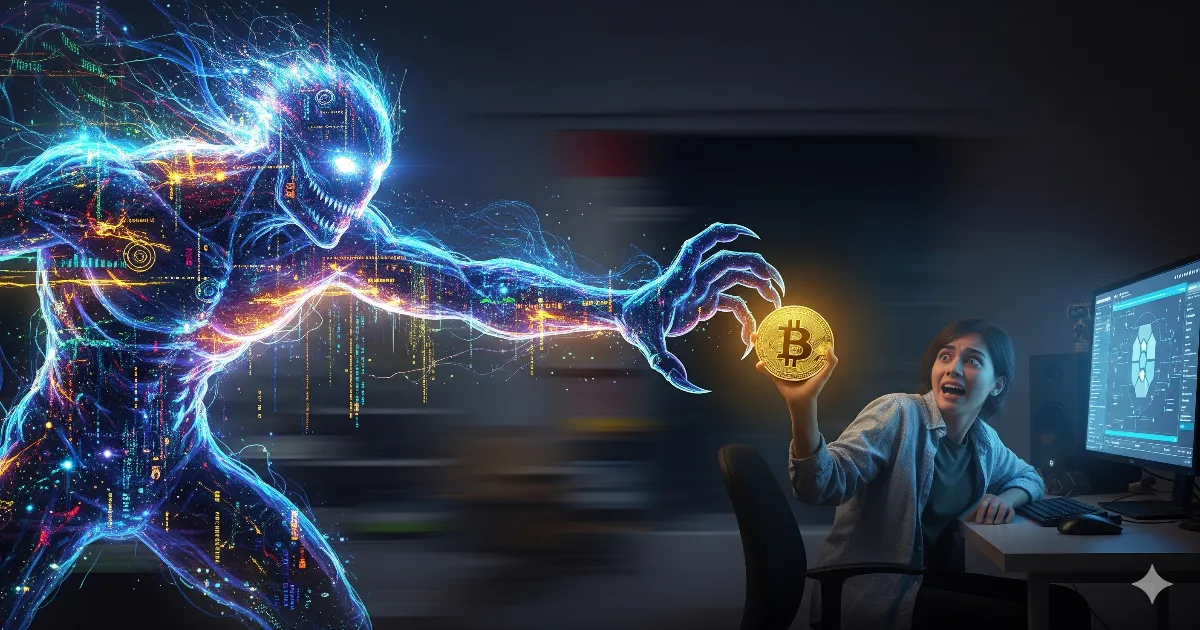
Imagine waking up, checking your phone, and your bitcoin balance is zero. Not just your cold storage, your exchange balances too. Gone. Overnight, millions of UTXOs drained in a silent, coordinated attack.

It sounds extreme, but this kind of event would be more than just theft. It would be a direct attack on Bitcoin’s value, a public signal that its core cryptography is no longer secure. A state-level actor might attempt something like this, not just to steal coins, but to destroy trust and deliberately cause chaos.

Not every attacker would act so loudly. A more self-incentivized one might take the opposite approach. With access to a quantum computer, they could quietly target older UTXOs, draining coins from forgotten or inactive wallets. Their goal would be to siphon off as much as possible before the rest of the world catches on.

But whether the attack is loud or quiet, fast or slow, the end result is more or less the same. The assumptions that secure Bitcoin are no longer true in a post-quantum world. The math that secured Bitcoin from its beginning could be broken at any point, by a machine none of us have seen yet, but we know is theoretically possible.

What Quantum Computers Actually Break

A quantum computer isn’t just a faster version of computers we have today. It’s a fundamentally different type of machine. For most tasks, it wouldn’t be much faster than a regular computer. But for very specific problems, it would be powerful enough to break a lot.

Bitcoin’s digital signatures today, including Schnorr and ECDSA, rely on something called the discrete logarithm problem. Think of it as a kind of mathematical one-way street. It’s easy to go one direction, but extremely hard to go back. You can take a private key and generate a public key or signature, but doing the reverse, deriving the private key from the public key, is practically impossible. And this is why you can share your public key on the blockchain safely, because it’s infeasible for anyone to reverse it and derive your corresponding private key.

See also  Weekend Sell-Off on EdgeX Nasdaq-Linked Perp Triggers $13M in Liquidations

But with a large enough quantum computer, that assumption breaks. Using Shor’s algorithm, a quantum attacker could solve the discrete logarithm problem. And that “one-wayness” no longer holds. Given any public key on the blockchain, an attacker can derive its corresponding private key.

Hard Choices, Big Trade-offs

There are no perfect solutions here. Any plan to defend Bitcoin against these quantum attacks involves some big trade-offs. Some are technical. Some are social. All of them are hard.

One possibility is to introduce a new kind of output type that uses only post-quantum signatures. Instead of relying on discrete logarithms, which quantum computers can break, you would lock coins using quantum-safe signature schemes from the beginning. Anyone sending funds to that address knows they are choosing stronger, future-proof security.

A big trade-off here is size. Most post-quantum signatures are huge, often measured in kilobytes instead of bytes. This means post-quantum signatures can be 40-600 times bigger than current Bitcoin signatures. If an ECDSA/Schnorr signature fits inside a text message, a post-quantum signature could be as large as a small digital photo. They cost more to broadcast, and more to store on the blockchain. HD wallets, multisig setups, and even basic key management, become more complex or may not even work at all. Doing threshold signatures with post-quantum signatures is still an open research problem.

A related proposal for going fully post-quantum comes from Jameson Lopp, who proposed a fixed 4-year migration window. After the introduction of post-quantum signatures, give the Bitcoin ecosystem a few years to rotate into quantum-safe outputs. After that, coins that have not been moved are treated as lost. An aggressive approach, but it sets a clear deadline and gives the network time to adapt before any crisis hits.

See also  Solana (SOL) Trades Heavy Below $90 As Breakdown Risk Grows

Until the threat becomes more real, we’d prefer to rely on the cryptography we already trust. But if we all agree that Bitcoin needs a plan, what is it going to be?

No one wants to rush into chance Bitcoin with unproven assumptions. Rather than pushing in something entirely new, Bitcoin might already have a built-in starting point. Taproot!

Taproot’s Hidden Post-Quantum Safety

Taproot, introduced in 2021, is mostly known for improving privacy and efficiency. What many users don’t realize is that it could also be the basis for a smoother transition into a post-quantum world.

Every Taproot output contains an initially hidden set of alternative spending conditions. These alternative script paths are never revealed unless used. Right now, most Taproot coins are spent using Schnorr signatures, but those hidden paths can be used for almost anything. That includes post-quantum (PQ) signature checks.

The idea that Taproot’s internal structure could withstand quantum attacks goes back to Matt Corallo, who first propagated it. And recently, Tim Ruffing of Blockstream Research published a paper showing that this approach is in fact secure: fallback paths inside Taproot can remain trusted, even if Schnorr and ECDSA are broken.

This opens the door to a simple but powerful upgrade path.

Step 1: Add Post-Quantum Opcodes

The first step is to introduce support for post-quantum signatures in Bitcoin Script. This could be done by adding new opcodes that allow Taproot scripts to verify PQ signatures, using algorithms currently being standardized and evaluated.

That way, users could start creating Taproot outputs with two spending paths:

  • The key-path would still use fast, efficient Schnorr signatures for day-to-day use.
  • The script-path would contain a post-quantum fallback, only revealed if needed.

Nothing changes in the short term. Coins behave the same. But if a quantum threat appears, the fallback is already in place.

See also  Here’s what happened in crypto today: $323M BTC ETF outflows, SEC signals shift & more...

Step 2: Flip the Kill Switch

Later, if a large quantum computer is developed and the risk becomes real, Bitcoin could disable Schnorr and ECDSA spending.

This kill switch would protect the network by preventing coins in vulnerable outputs from being stolen. As long as users have moved their coins to upgraded Taproot outputs that include post-quantum fallbacks, those coins would remain safe and spendable.

The transition will unavoidably cause some friction, but hopefully it would be less disruptive than a last-minute scramble. And thanks to Taproot’s hidden script paths, most of this work could happen quietly in advance.

Prepping Without Panic

There is no countdown clock to the quantum threat. We have no idea when this breakthrough in quantum computing will happen. It could be a decade away, or it could be much closer. No one knows. 

None of this is simple. There are still open questions about which post-quantum algorithms we should use, how to make them efficient enough for Bitcoin, and how to preserve core features like threshold multisig and key derivation. But the most important thing is to start. Ideally not after the first cryptographically relevant quantum computer has been built, but now, while the system is still secure and upgrade paths are still available.

By enabling post-quantum signature support within Bitcoin Script today, we give users time to prepare. Education can happen gradually, without panic. And users can start to migrate coins at their own pace. If we wait too long, we lose that luxury. Upgrades done under stress rarely go smoothly.

Tim Ruffing’s work lays out a possible path forward. A plan that makes use of tools Bitcoin already has. Read his full paper to understand how this works in detail.

This is a guest post by Kiara Bickers from Blockstream. Opinions expressed are entirely their own and do not necessarily reflect those of BTC Inc or Bitcoin Magazine.

Bitcoins Quantum Real Risk
Share. Facebook Twitter Pinterest LinkedIn Tumblr Email

Related Posts

Analyst Says No Reason for Bitcoin Reversal, Sees BTC Approaching Next Resistance Levels – Here Are His Targets

May 14, 2026

70% of long-term holders are in profit as the bitcoin floor hardens

May 13, 2026

What’s Really At Stake In The Market Structure Debate: The BRCA

May 13, 2026

Strategy adds 535 BTC – Still ‘buying the dip’ or something else entirely?

May 13, 2026
Add A Comment
Leave A Reply Cancel Reply

Top Posts

Bitcoin Price Drops, Yet Long-Term Holders Aren’t Selling—Here’s Why

January 9, 2026

BTC Nears $72K as Crypto Market Gains Momentum

March 15, 2026

Stay ahead with the latest crypto news, market updates, blockchain insights, and trends. Your trusted source for everything happening in the digital asset world.


We're social. Connect with us:

Facebook X (Twitter) Instagram Pinterest YouTube
Top Insights

Consensys Urges SEC to Exempt Self-Custody Wallets, Citing Regulatory Gap for 99% of Tokens

May 14, 2026

UBOX Taps ClawWorks to Accelerate Independent AI Agent Economics

May 14, 2026

Analyst Says No Reason for Bitcoin Reversal, Sees BTC Approaching Next Resistance Levels – Here Are His Targets

May 14, 2026
Get Informed

Subscribe to Updates

Get the latest creative news From Free.cc directly in your Inbox!

  • Contact
  • Privacy Policy
  • Terms & Conditions
  • Disclosure
© 2026 free.cc - All rights reserved.

Type above and press Enter to search. Press Esc to cancel.