Close Menu
  • Latest News
    • Bitcoin
    • Ethereum
    • Altcoins
    • Meme Coins
  • Tech
    • Blockchain
    • Security and Privacy
  • Web 3
    • Gaming
  • Legal
    • Legal and Regulatory
    • Adoption
  • Analysis
  • Learn
    • Education
    • Wallets and Exchanges
  • Tools
    • Market Overview
    • Exchange Tool
What's Hot

Bitcoin ETF Outflows Hit $1.44B as BlackRock’s IBIT Faces Heavy Selling

November 12, 2026

SEC enforcement actions fall 24%, crypto cases in spotlight

November 12, 2026

XRP sharks add 16.8K wallets as price nears critical $1 support: Can buyers defend it?

November 12, 2026
Facebook X (Twitter) Instagram
  • Contact
  • Privacy Policy
  • Terms & Conditions
  • Disclosure
Facebook X (Twitter) Instagram
Free.cc (Free Cryptocurrency)Free.cc (Free Cryptocurrency)
  • Latest News
    1. Bitcoin
    2. Ethereum
    3. Altcoins
    4. Meme Coins
    5. View All

    Bitcoin ETF Outflows Hit $1.44B as BlackRock’s IBIT Faces Heavy Selling

    November 12, 2026

    How Sam Altman-Backed Meanwhile Is Disrupting The $20T Life Insurance Industry

    November 12, 2026

    $1.04B out of Bitcoin ETFs – Short term holders plunge into net unrealized losses

    November 12, 2026

    Israel Discount Bank to Launch Bitcoin, Ethereum Trading in Its Ap

    November 12, 2026

    Ethereum – What BitMine’s $6.3B loss reveals about building treasury around ETH

    November 12, 2026

    BlackRock’s crypto portfolio falls by nearly $5 billion so far in November 2026

    November 11, 2026

    Ether ETFs Shed $184.6M in a Day as BlackRock Leads Redemptions

    November 11, 2026

    Is Ethereum’s slide below $2250 sign of ‘impatience of markets’?

    November 10, 2026

    XRP sharks add 16.8K wallets as price nears critical $1 support: Can buyers defend it?

    November 12, 2026

    ARK Invest Trims Block and Bullish Positions as Bitcoin ETF Outflows Continue

    November 12, 2026

    Binance gives HYPE and TRX the same 75x cap – Which faces more risk?

    November 12, 2026

    Quant won The Clearing House deal – Will QNT slip below THIS?

    November 11, 2026

    Top 5 Memecoins to Watch in 2026: Hype, Utility, or Growth?

    October 14, 2026

    Did Jean Phil Go Viral First — or Was the Viral Persona Built to Launch a Memecoin?

    October 5, 2026

    Thinking Cat Gains Momentum After CASHCAT’s Breakout

    August 12, 2026

    What Tokens Could He Target?

    July 30, 2026

    Bitcoin ETF Outflows Hit $1.44B as BlackRock’s IBIT Faces Heavy Selling

    November 12, 2026

    SEC enforcement actions fall 24%, crypto cases in spotlight

    November 12, 2026

    XRP sharks add 16.8K wallets as price nears critical $1 support: Can buyers defend it?

    November 12, 2026

    Whitechain Moves to Ethereum Layer 2 on Optimism’s OP Stack, Keeping WBT as Gas Token

    November 12, 2026
  • Tech
    1. Blockchain
    2. Security and Privacy
    3. View All

    Whitechain Moves to Ethereum Layer 2 on Optimism’s OP Stack, Keeping WBT as Gas Token

    November 12, 2026

    Ondo Claims the Tokenisation Leadership on the Back of Securitize’s Shrinking Assets

    November 12, 2026

    Talos’ NEAR Intents integration brings cross-chain liquidity to institutions

    November 12, 2026

    Bhutan’s Ethereum digital identity verifies credentials without putting data on-chain

    November 12, 2026

    Bitcoin Core Discloses High-Severity Security Bug That Could Halt Mining Nodes

    November 12, 2026

    Near AI Confirms Security Breach Affecting 100 Users and 18 Agents

    November 11, 2026

    Apple iOS Vulnerability Puts Crypto Wallets at Risk as Binance Issues Warning

    November 11, 2026

    Pompliano Says a Bitcoin ETF Beats Hardware Wallets on Security

    November 10, 2026

    Bitcoin ETF Outflows Hit $1.44B as BlackRock’s IBIT Faces Heavy Selling

    November 12, 2026

    SEC enforcement actions fall 24%, crypto cases in spotlight

    November 12, 2026

    XRP sharks add 16.8K wallets as price nears critical $1 support: Can buyers defend it?

    November 12, 2026

    Whitechain Moves to Ethereum Layer 2 on Optimism’s OP Stack, Keeping WBT as Gas Token

    November 12, 2026
  • Web 3
    1. Gaming
    2. View All

    FLOKI Ships Valhalla 1.13.2 ‘Special Delivery’ to Players on Mainnet

    October 27, 2026

    Top 12 NFT games every player should know about in August 2026

    September 22, 2026

    GameShame Studios founder details Raijin Protocol’s roadmap in NeoPod’s sixth AMA

    September 22, 2026

    Proof of Play to shut down after blockchain gaming thesis falls short

    September 22, 2026

    Bitcoin ETF Outflows Hit $1.44B as BlackRock’s IBIT Faces Heavy Selling

    November 12, 2026

    SEC enforcement actions fall 24%, crypto cases in spotlight

    November 12, 2026

    XRP sharks add 16.8K wallets as price nears critical $1 support: Can buyers defend it?

    November 12, 2026

    Whitechain Moves to Ethereum Layer 2 on Optimism’s OP Stack, Keeping WBT as Gas Token

    November 12, 2026
  • Legal
    1. Legal and Regulatory
    2. Adoption
    3. View All

    SEC enforcement actions fall 24%, crypto cases in spotlight

    November 12, 2026

    Kalshi Faces Possible CFTC Charges Over Contract Filings

    November 12, 2026

    FSB pressures Turkey regulators to lock down foreign stablecoins

    November 12, 2026

    Giancarlo says US crypto can thrive without the Clarity Act

    November 12, 2026

    Millions watched Kalshi’s election odds without betting a dollar

    November 7, 2026

    Why Ripple’s $16 trillion payment volume isn’t boosting XRP

    October 31, 2026

    Ripple is heading for its best year ever while XRP faces its worst since 2022

    October 29, 2026

    BNY offers XRP custody, but only 1 rollout type exists

    October 28, 2026

    Bitcoin ETF Outflows Hit $1.44B as BlackRock’s IBIT Faces Heavy Selling

    November 12, 2026

    SEC enforcement actions fall 24%, crypto cases in spotlight

    November 12, 2026

    XRP sharks add 16.8K wallets as price nears critical $1 support: Can buyers defend it?

    November 12, 2026

    Whitechain Moves to Ethereum Layer 2 on Optimism’s OP Stack, Keeping WBT as Gas Token

    November 12, 2026
  • Analysis

    XRP Price Reversal Ahead? Whale Buying Accelerates Near $1 Support

    November 12, 2026

    Why Is Crypto Crashing? Kevin O’Leary and Raoul Pal Reveal Major Reasons

    November 12, 2026

    Bitcoin’s recovery faces a $75,600 trap

    November 12, 2026

    Binance hacker’s XRP stockpile rapidly crashes driven by Bitcoin swaps

    November 12, 2026

    Expert Lists Key Conditions for Bitcoin to Rally to $100,000

    November 12, 2026
  • Learn
    1. Education
    2. Wallets and Exchanges
    3. View All

    What Is Robinhood Chain? The Ethereum Layer-2 Network for Tokenized Stocks

    July 12, 2026

    What Is BChat? The Decentralized Messaging App Built for Privacy

    June 2, 2026

    What Is an AI Prompt Injection Attack? The Hidden Threat Hijacking Your Chatbots

    May 31, 2026

    What Is AI Jailbreaking? A Beginner’s Guide to the Cat-and-Mouse Game Behind Every Chatbot

    May 17, 2026

    Binance CFO leaves the company to tokenize real assets

    November 11, 2026

    NYSE brings stocks to Avalanche, but bans direct wallets

    November 11, 2026

    Any Bitcoin recovery faces a cash problem as Binance’s stablecoins fall to $32 billion

    November 10, 2026

    Mercado Bitcoin plans viewing, not withdrawals

    November 10, 2026

    Bitcoin ETF Outflows Hit $1.44B as BlackRock’s IBIT Faces Heavy Selling

    November 12, 2026

    SEC enforcement actions fall 24%, crypto cases in spotlight

    November 12, 2026

    XRP sharks add 16.8K wallets as price nears critical $1 support: Can buyers defend it?

    November 12, 2026

    Whitechain Moves to Ethereum Layer 2 on Optimism’s OP Stack, Keeping WBT as Gas Token

    November 12, 2026
  • Tools
    • Market Overview
    • Exchange Tool
Free.cc (Free Cryptocurrency)Free.cc (Free Cryptocurrency)
Home»Legal and Regulatory»What It Says and What It Means
Legal and Regulatory

What It Says and What It Means

May 6, 2026No Comments7 Mins Read
Share
Facebook Twitter LinkedIn Pinterest Email

The final stablecoin yield language in the CLARITY Act is now public, and it draws a clear line: crypto platforms can no longer offer passive, bank-style returns just for holding stablecoins. Rewards tied to actual on-chain activity, like payments or transfers, remain permitted.

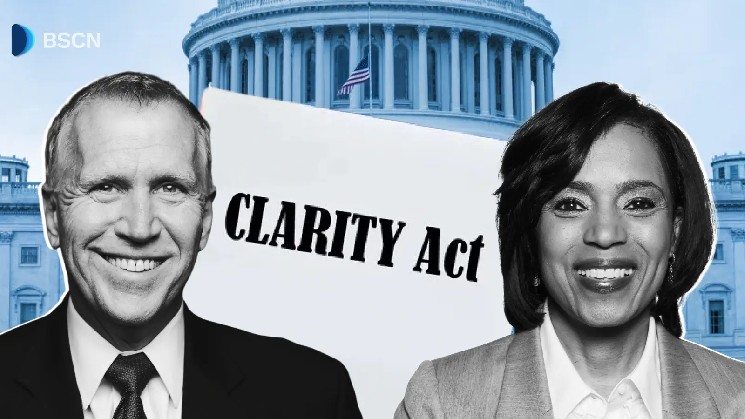
Senators Thom Tillis (R-N.C.) and Angela Alsobrooks (D-Md.) finalized the compromise text on Friday evening, ending months of back-and-forth that had stalled the broader Digital Asset Market Clarity Act. Punchbowl News first reported the agreement and the text was also shared on X.

The final rewards text in the CLARITY Act is now public.

We’ve been clear throughout this process: much of this debate was based on imagined risks, not real evidence, nor was it based on a real understanding of how crypto actually works.

Nevertheless, the crypto industry showed… https://t.co/XoQ7Zp1Y39

— Faryar Shirzad 🛡️ (@faryarshirzad) May 1, 2026

The deal is significant because it removes one of the last major roadblocks to a Senate Banking Committee markup, now targeted for May.

What Does The New Stablecoin Yield Language Actually Say?

The new section, codified as Section 404 of the bill, prohibits what the legislation calls “covered parties” from paying any form of interest or yield to U.S. customers in two specific scenarios:

  • Solely in connection with holding stablecoins
  • In any way that is “economically or functionally equivalent to the payment of interest or yield on an interest-bearing bank deposit”

In plain terms: a crypto exchange cannot reward users simply for parking stablecoins in their account, the same way a bank pays interest on a savings balance.

The bill defines “covered parties” as digital asset service providers and their affiliates. It excludes permitted stablecoin issuers and registered foreign issuers, which are already barred from paying direct interest under the $GENIUS Act, the stablecoin law President Donald Trump signed on July 18, 2025.

What Is The $GENIUS Act, And Why Does It Matter Here?

The $GENIUS Act established the first federal framework for payment stablecoin issuers in the United States. It set reserve requirements, redemption obligations, and anti-money laundering rules for issuers. It also prohibited stablecoin issuers from paying interest directly to holders.

See also  Bitwise files for stablecoin and tokenization ETF targeting Thanksgiving launch

However, the $GENIUS Act left a gap: it did not explicitly address what exchanges or third-party affiliates could do with stablecoin rewards programs. Banks flagged this gap and pushed hard for it to be closed in the CLARITY Act. The new yield language is the answer to that push.

What Rewards Are Still Allowed?

The prohibition does not apply to rewards tied to what the text calls “bona fide activities or bona fide transactions.” These are incentives linked to real platform usage, not just holding an asset.

The text directs the Securities and Exchange Commission, the Commodity Futures Trading Commission, and the Treasury Secretary to jointly publish rules within one year defining a non-exhaustive list of permitted activities. That list is expected to include:

  • Payments and transfers
  • Market-making
  • Staking and governance participation
  • Loyalty programs

In a notable concession to crypto firms, the bill also states that permitted activity-based rewards “may be calculated by reference to a balance, duration, tenure, or any combination of the foregoing.” That language gives platforms flexibility to factor in how much a user holds and for how long, as long as the underlying reward connects to a qualifying activity.

One industry source described this as a shift from a “buy and hold” model to a “buy and use” model, though how exactly that plays out in practice will depend heavily on the rulemaking process.

Why Was Coinbase At The Center Of This Fight?

Coinbase had the most commercial exposure of any single company in this negotiation. The exchange reported $1.35 billion in stablecoin revenue in 2025, much of it tied to distribution payments from its USDC partnership with Circle.

The exchange had pulled its support from an earlier version of the yield language, which contributed to the Senate Banking Committee canceling a planned January markup at the last minute. A second draft released in late March also failed, sending Circle’s stock down roughly 20% in a single trading session.

See also  22-Year-Old Gets 70 Months Prison for Role in $263M Crypto Laundering Scheme

Coinbase CEO Brian Armstrong posted, “Mark it up,” on X after the Friday agreement. Chief Policy Officer Faryar Shirzad said the industry had protected “the ability for Americans to earn rewards, based on real usage of crypto platforms and networks.”

Chief Legal Officer Paul Grewal added that the final language preserves activity-based rewards and “should not be the basis of any objection,” arguing that much of the earlier debate was driven by concerns about how crypto rewards programs work that did not match the reality of how they actually function.

After months in rooms at the WH and Senate, this much is clear: a lot of the public debate overstated the risks and ignored the substance. This outcome preserves activity-based rewards tied to real participation on crypto platforms and networks, which is what the bank lobby said… https://t.co/9l56B8A1gY

— Paul Grewal (@iampaulgrewal) May 1, 2026

How Will Violations Be Penalized?

Beyond the yield prohibition, the new text includes several enforcement mechanisms:

  • Civil monetary penalties of up to $5 million per violation, assessed by the Treasury Department
  • A ban on representing stablecoins as investment products, as FDIC-insured, or as backed by the full faith and credit of the United States
  • Anti-evasion language to prevent firms from routing restricted rewards through affiliates

The Treasury and CFTC must also issue rules within one year of enactment, and the Federal Reserve, OCC, FDIC, NCUA, and Treasury must jointly report to Congress within two years on how stablecoin adoption affects Treasury yields and bank deposit volumes.

Does Everyone Support The Compromise?

Not entirely. Ji Kim of the Crypto Council for Innovation warned the restrictions go “far beyond” what the $GENIUS Act required and could limit consumer incentives. He also raised concerns about U.S. competitiveness, given that most global crypto activity already happens in markets outside the country.

See also  What It Means for Prediction Markets

Corey Frayer of the Consumer Federation of America noted that the rulemaking language gives regulators some latitude in defining what counts as a qualifying activity, which could either open or close doors depending on how agencies interpret it.

The Blockchain Association and the Digital Chamber both welcomed the text’s release, calling it a step toward the broader CLARITY Act markup.

What Happens Next With The CLARITY Act?

The stablecoin yield deal does not mean the CLARITY Act is close to passing. Several other provisions remain unresolved, including rules around tokenomics, decentralized finance protections, and software developer liability.

Senate Banking Committee Chairman Tim Scott has said the bill will need unified Republican support before it can advance to a markup. With that support now more plausible, a markup session in May has become the near-term target.

Even after a markup, the bill would still need to clear the full Senate and then be reconciled with any House legislation before it could become law.

Conclusion

The finalized CLARITY Act stablecoin yield text bans passive, bank-equivalent returns on stablecoin holdings while protecting rewards tied to real platform usage. It assigns rulemaking authority to the SEC, CFTC, and Treasury, sets civil penalties of up to $5 million per violation, and requires a congressional report on stablecoin adoption within two years. The Senate Banking Committee markup, now targeted for May, remains the immediate next step, though several provisions of the broader CLARITY Act are still being negotiated.

  1. Section 404 of the Digital Asset bill

  2. Report by Punchbowl news: Vault: Tillis-Alsobrooks cinch deal on stablecoin yield

  3. Report by Forbes: Tillis-Alsobrooks Reach Compromise On Stablecoin Yield In Clarity Act

  4. Report by CoinDesk: Clarity Act text lets crypto firms offer stablecoin rewards while shielding bank yield

  5. Report by The Block: Coinbase says deal reached on Clarity Act stablecoin yield, clearing path to long-stalled Senate markup

Means
Share. Facebook Twitter Pinterest LinkedIn Tumblr Email

Related Posts

SEC enforcement actions fall 24%, crypto cases in spotlight

November 12, 2026

Kalshi Faces Possible CFTC Charges Over Contract Filings

November 12, 2026

FSB pressures Turkey regulators to lock down foreign stablecoins

November 12, 2026

Giancarlo says US crypto can thrive without the Clarity Act

November 12, 2026
Add A Comment
Leave A Reply Cancel Reply

Top Posts

Samourai Letter #7: Notes From The Inside

September 27, 2026

Remittix (RTX) Explained: PayFi Crypto for Fast, Low-Fee Cross-Border Payments

November 21, 2025

Stay ahead with the latest crypto news, market updates, blockchain insights, and trends. Your trusted source for everything happening in the digital asset world.


We're social. Connect with us:

Facebook X (Twitter) Instagram Pinterest YouTube
Top Insights

Bitcoin ETF Outflows Hit $1.44B as BlackRock’s IBIT Faces Heavy Selling

November 12, 2026

SEC enforcement actions fall 24%, crypto cases in spotlight

November 12, 2026

XRP sharks add 16.8K wallets as price nears critical $1 support: Can buyers defend it?

November 12, 2026
Get Informed

Subscribe to Updates

Get the latest creative news From Free.cc directly in your Inbox!

  • Contact
  • Privacy Policy
  • Terms & Conditions
  • Disclosure
© 2026 free.cc - All rights reserved.

Type above and press Enter to search. Press Esc to cancel.