Close Menu
  • Latest News
    • Bitcoin
    • Ethereum
    • Altcoins
    • Meme Coins
  • Tech
    • Blockchain
    • Security and Privacy
  • Web 3
    • Gaming
  • Legal
    • Legal and Regulatory
    • Adoption
  • Analysis
  • Learn
    • Education
    • Wallets and Exchanges
  • Tools
    • Market Overview
    • Exchange Tool
What's Hot

583 Companies Go Public in 18 Months, Says SEC Chairman

October 3, 2026

Ethereum Price Faces $2,800 Wall Again — Are Whales Selling or Accumulating ETH?

October 3, 2026

New SIMD-0675 Proposal Aims to Streamline Block Production

October 3, 2026
Facebook X (Twitter) Instagram
  • Contact
  • Privacy Policy
  • Terms & Conditions
  • Disclosure
Facebook X (Twitter) Instagram
Free.cc (Free Cryptocurrency)Free.cc (Free Cryptocurrency)
  • Latest News
    1. Bitcoin
    2. Ethereum
    3. Altcoins
    4. Meme Coins
    5. View All

    Bitcoin Is Up, DeFi Is Recovering, So Why Doesn’t This Look Like a Bull Market Yet?

    October 3, 2026

    Bank group sues U.S. regulator over granting crypto trust charters

    October 3, 2026

    When The Banks Don’t Work, Bitcoin Does: Report

    October 3, 2026

    Bitcoin clears $85K, but is ‘Uptober’ setting up a bull trap?

    October 3, 2026

    Ethereum: Why ETH faces October reversal risk after 70% Q3 rally

    October 3, 2026

    Why Did Blast Decide to Wind Down Its L2?

    October 2, 2026

    Bitcoin Q3 Strength Faces a Tougher Q4 Test

    October 1, 2026

    Ethereum beats Bitcoin by 42.71% in Q3 – Can ETH do it again?

    October 1, 2026

    Can NEAR crypto rebound? THESE metrics could decide what’s next

    October 3, 2026

    Polymath And CineCity Explore Regulated Tokenized Film Investment Platform

    October 3, 2026

    XLM price prediction – Why Stellar’s $0.21 rebound could trigger a 9% rally

    October 2, 2026

    XRP’s $1.54 breakout test meets Ripple’s 1B token unlock – Can demand absorb supply?

    October 2, 2026

    Thinking Cat Gains Momentum After CASHCAT’s Breakout

    August 12, 2026

    What Tokens Could He Target?

    July 30, 2026

    The Next Meme Coin Winner Could Be Determined by Incentives, Not Memes

    July 30, 2026

    Why Is BOME’s Price Up Today? Finally, Capital Rotating to the Meme Coins?

    July 28, 2026

    583 Companies Go Public in 18 Months, Says SEC Chairman

    October 3, 2026

    Ethereum Price Faces $2,800 Wall Again — Are Whales Selling or Accumulating ETH?

    October 3, 2026

    New SIMD-0675 Proposal Aims to Streamline Block Production

    October 3, 2026

    New SEC crypto rules threaten small advisers, but big firms win

    October 3, 2026
  • Tech
    1. Blockchain
    2. Security and Privacy
    3. View All

    New SIMD-0675 Proposal Aims to Streamline Block Production

    October 3, 2026

    State Street Fund Goes Live on Stellar

    October 3, 2026

    Blockchains Unlock an Explosion of New Markets

    October 3, 2026

    Cloak Launches Payroll Feature for Private Onchain

    October 2, 2026

    Masked Robbers Threaten Pregnant Wife in UK Crypto Home Attack

    October 3, 2026

    Bitcoin Lightning Nodes Targeted as Core Lightning Sounds Alarm

    October 2, 2026

    The $459,000 Bot Hacker Was a Customer First, Researchers Say

    October 2, 2026

    Metamask Pulls Validators as Meager ETH Theft Sounds Big Alarm

    October 2, 2026

    583 Companies Go Public in 18 Months, Says SEC Chairman

    October 3, 2026

    Ethereum Price Faces $2,800 Wall Again — Are Whales Selling or Accumulating ETH?

    October 3, 2026

    New SIMD-0675 Proposal Aims to Streamline Block Production

    October 3, 2026

    New SEC crypto rules threaten small advisers, but big firms win

    October 3, 2026
  • Web 3
    1. Gaming
    2. View All

    Top 12 NFT games every player should know about in August 2026

    September 22, 2026

    GameShame Studios founder details Raijin Protocol’s roadmap in NeoPod’s sixth AMA

    September 22, 2026

    Proof of Play to shut down after blockchain gaming thesis falls short

    September 22, 2026

    How BC.GAME is turning players into stakeholders

    September 22, 2026

    583 Companies Go Public in 18 Months, Says SEC Chairman

    October 3, 2026

    Ethereum Price Faces $2,800 Wall Again — Are Whales Selling or Accumulating ETH?

    October 3, 2026

    New SIMD-0675 Proposal Aims to Streamline Block Production

    October 3, 2026

    New SEC crypto rules threaten small advisers, but big firms win

    October 3, 2026
  • Legal
    1. Legal and Regulatory
    2. Adoption
    3. View All

    583 Companies Go Public in 18 Months, Says SEC Chairman

    October 3, 2026

    New SEC crypto rules threaten small advisers, but big firms win

    October 3, 2026

    Daines Unveils Crypto Tax Bill Pairing Payment Relief With Wash-Sale Rules

    October 3, 2026

    Tax on Bitcoin Gains? Dutch Government to Introduce Capital Gains Tax From 2028

    October 3, 2026

    Stablecoin issuers have replaced 40% of China’s lost US Treasury demand

    October 3, 2026

    Bitcoin’s $113,000 case strengthens as US regulators push 9 crypto actions

    October 2, 2026

    Bitget restores $300M fund after absorbing $388M security breach

    October 2, 2026

    Ripple’s biggest institutional bet may now be Brazil

    October 1, 2026

    583 Companies Go Public in 18 Months, Says SEC Chairman

    October 3, 2026

    Ethereum Price Faces $2,800 Wall Again — Are Whales Selling or Accumulating ETH?

    October 3, 2026

    New SIMD-0675 Proposal Aims to Streamline Block Production

    October 3, 2026

    New SEC crypto rules threaten small advisers, but big firms win

    October 3, 2026
  • Analysis

    Ethereum Price Faces $2,800 Wall Again — Are Whales Selling or Accumulating ETH?

    October 3, 2026

    Bull Market Targets for BTC, ETH, SOL, and XRP

    October 3, 2026

    Ethereum Price Faces A Critical $0.040 ETH/BTC Test

    October 2, 2026

    AAVE Price Surges 8% as Whale Activity Spikes — Can AAVE Break $200?

    October 2, 2026

    PropAMMs lower Solana trade costs, and public pool returns crash

    October 2, 2026
  • Learn
    1. Education
    2. Wallets and Exchanges
    3. View All

    What Is Robinhood Chain? The Ethereum Layer-2 Network for Tokenized Stocks

    July 12, 2026

    What Is BChat? The Decentralized Messaging App Built for Privacy

    June 2, 2026

    What Is an AI Prompt Injection Attack? The Hidden Threat Hijacking Your Chatbots

    May 31, 2026

    What Is AI Jailbreaking? A Beginner’s Guide to the Cat-and-Mouse Game Behind Every Chatbot

    May 17, 2026

    Coinbase completes Deribit migration, ends INTX trading

    October 2, 2026

    Binance Funding Account ends direct crypto deposits

    October 1, 2026

    Coinbase just completed its US derivatives stack but its biggest bet still sits outside it

    September 30, 2026

    Bitget had 30 minutes to contain its hack before $290 million started moving

    September 30, 2026

    583 Companies Go Public in 18 Months, Says SEC Chairman

    October 3, 2026

    Ethereum Price Faces $2,800 Wall Again — Are Whales Selling or Accumulating ETH?

    October 3, 2026

    New SIMD-0675 Proposal Aims to Streamline Block Production

    October 3, 2026

    New SEC crypto rules threaten small advisers, but big firms win

    October 3, 2026
  • Tools
    • Market Overview
    • Exchange Tool
Free.cc (Free Cryptocurrency)Free.cc (Free Cryptocurrency)
Home»Legal and Regulatory»How the SEC’s five-year plan could accelerate tokenized capital markets
Asia’s top Bitcoin holder wants to turn its BTC pile into income, but the returns hide new risks
Legal and Regulatory

How the SEC’s five-year plan could accelerate tokenized capital markets

June 15, 2026No Comments7 Mins Read
Share
Facebook Twitter LinkedIn Pinterest Email

The agency that spent the better part of a decade defining crypto policy through enforcement has published a five-year plan describing blockchain as a technology with “the potential to revolutionize America’s financial infrastructure.”

The SEC’s draft Strategic Plan for fiscal years 2026 through 2030 dedicates a standalone objective to digital assets and blockchain technology, placing the category alongside investor protection, capital formation, and agency modernization.

In the plan, the agency laid out its plan to build a regulatory foundation for the sector through a “rational, coherent, and principled approach.”

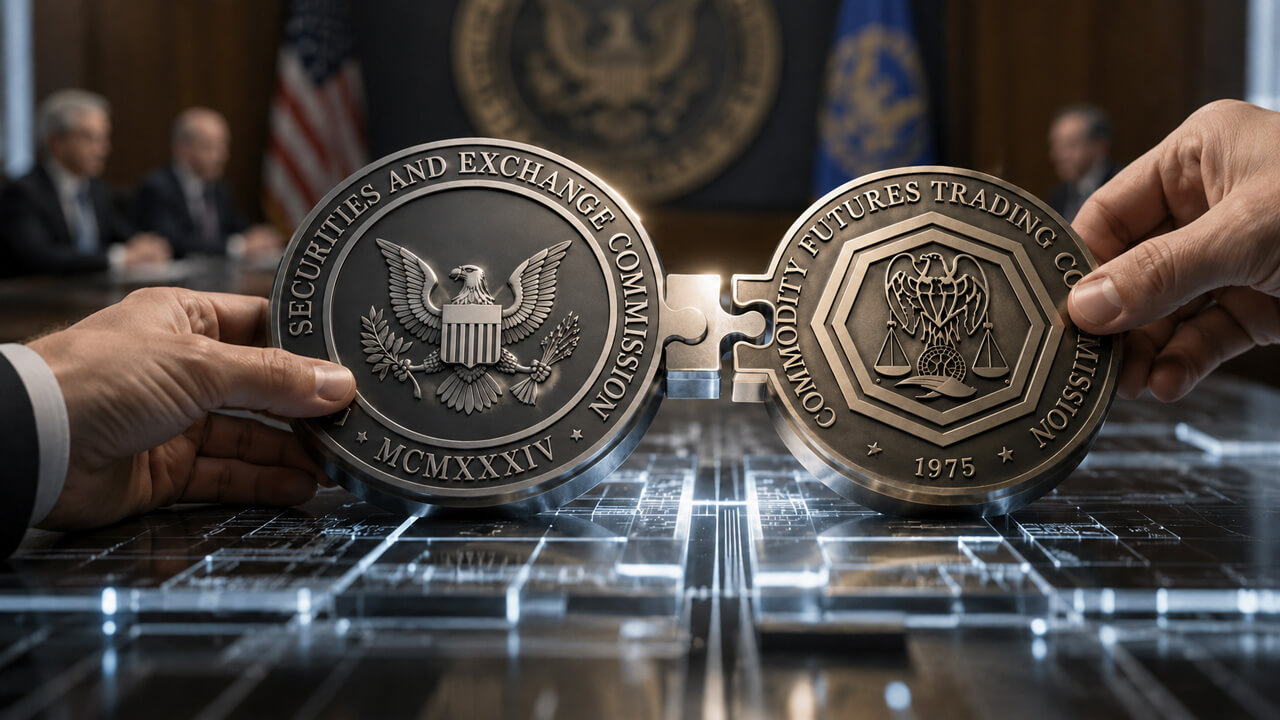
Two days later, Jamie Selway, director of the SEC’s Division of Trading and Markets, told the Piper Sandler Global Exchange & Fintech Conference in New York that his division is developing a framework for listing and trading tokenized securities. SEC and CFTC staff are working jointly to resolve conflicting rulebooks on swap reporting, portfolio margining, and product definitions.

The plan and the remarks suggest that one of the SEC’s most important policy shifts may arrive before any new rule does, as the agency is changing the narrative by which institutions evaluate the technology.

According to Jennie Levin, chief legal and operating officer at the Algorand Foundation and a former federal prosecutor, that shift directly affects how banks, asset managers, and public companies allocate capital.

SEC’s language as regulatory architecture

Institutional adoption of blockchain has never been constrained by the technology itself. The bigger obstacles have always been legal uncertainty and reputational risk, and both depend on how regulators define what they’re regulating.

When the SEC discussed digital assets almost exclusively through enforcement actions, compliance teams treated any blockchain initiative as exposure to a speculative asset class with unresolved legal status. The new framing, despite being abstract, changes the practical question those teams are asked to answer.

“For institutions, stripping the word ‘crypto’ out of the conversation and replacing it with ‘market modernization’ fundamentally changes the risk calculus,” Levin said. “Compliance teams that were previously sitting on the sidelines are no longer being asked to underwrite a speculative asset class. Instead, they are being asked to evaluate a more efficient, secure way to run the financial infrastructure they already operate every day.”

Levin describes the SEC’s stance as “an invitation to build within a known legal architecture rather than wait for enforcement to define the boundaries,” and that invitation carries weight because markets tend to respond more strongly to certainty than to deregulation.

See also  Australian Government Bond Tokenized on XRP Ledger With Settlement in RLUSD Stablecoin

Even a roadmap with no binding force can influence capital allocation years before any formal rules are adopted, because internal risk committees factor regulatory direction into project approvals long before any rule takes effect, and a documented agency commitment gives those committees something concrete to work with.

The plan’s substance supports the rhetorical shift. The SEC’s document identifies tokenized offerings and on-chain financial infrastructure as areas where the agency intends to support compliant capital formation, and it states that custody, trading, and staking services should be able to operate under appropriate oversight without duplicative or conflicting requirements.

That language extends a sequence of actions stretching back through the year, including the contemplated innovation exemption for tokenized stocks, the April staff statement that gave self-custody trading interfaces a five-year runway to obtain broker licenses, and the approvals that let Nasdaq in March and the NYSE in April begin trading tokenized versions of select equities alongside traditional shares.

Each of these steps has moved blockchain further from the periphery of securities policy and deeper into the agency’s core agenda, a contest over who controls tokenized equities that Wall Street incumbents are watching as closely as crypto firms are.

Programmable compliance and the harmonization catalyst

Selway’s principle of “innovation without arbitrage” addresses the most persistent skepticism about tokenized markets, which holds that blockchain’s efficiency gains depend on escaping the obligations that traditional venues impose.

However, Levin outright rejects that premise:

“The assumption that blockchain’s efficiency depends on regulatory arbitrage has always been a distraction,” she told CryptoSlate. “The real inefficiencies in traditional markets are fragmented settlement infrastructure and the reconciliation layers built on top of it, and intermediaries that exist to manufacture trust rather than add value. A public ledger does not need legal shortcuts to outperform that system.”

She believes applying traditional standards to on-chain markets just relocates compliance from a manual process at the end of a transaction to automated checks at execution. Transfer restrictions, allow lists, and freeze-and-clawback controls can be enforced at the protocol level, making the guardrails that currently require entire teams to administer become properties of the asset itself. The efficiency argument and the investor-protection argument no longer pull in opposite directions once compliance is embedded in the instrument’s design.

See also  Bank of England’s Bailey warns US stablecoins could destabilize the UK in a crisis

Selway paired his invitation with a warning, cautioning that venue shopping and leverage pushed to unsophisticated retail investors would undermine the effort. Levin agrees, saying that the networks positioned to win in a “harmonized environment” are those that treated compliance as a requirement from the start.

The harmonization they’re both referring to may prove to be the larger catalyst, because jurisdictional ambiguity has imposed costs that show up well before any product reaches the market.

For years, uncertainty over whether a given asset falls under SEC or CFTC jurisdiction has stalled institutional projects long after the technology was ready.

“The single greatest friction point has been the structural paralysis created by agency fragmentation,” Levin said. “Roadmaps end up sitting in legal review indefinitely, and capital defaults offshore out of self-preservation.”

A unified token taxonomy, she argues, changes that from day one, because predictable classification lets risk committees decide with confidence, and the first market impact we’d see would be faster internal decisions rather than lower compliance costs.

Statutory backing remains the missing piece, and its timeline is tightening. The CLARITY Act, which passed the House 294-134 in July 2025 and cleared the Senate Banking Committee 15-9 in May, was placed on the Senate Legislative Calendar at the start of June. It’ll still need 60 votes on the floor before the August recess, and Galaxy Digital recently cut its odds of 2026 passage to 60% from 75% due to scheduling pressure alone, while Polymarket prices the outcome in the mid-50s%.

As Levin puts it, “an interpretation is a bridge, not the destination,” and the bill is what would lock a unified taxonomy into statute.

See also  Japan was one of the first countries in the world to legally define and regulate crypto

If anything mentioned in the SEC’s strategy actually becomes operational policy, it will most likely show up in a handful of milestones: formal proposals governing tokenized securities, measurable progress on SEC-CFTC harmonization, a CLARITY Act floor vote, institutional launches of tokenized products on public rails, and further guidance on custody and settlement.

If those arrive, the main beneficiaries will definitely be the infrastructure providers enabling compliant capital markets rather than speculative tokens.

The bigger change, though, has already happened. An agency that once asked whether blockchain belonged in the financial system at all is now drafting plans for how the technology should modernize that system while preserving the investor protections beneath it.

The future of tokenization, based on this evidence, depends far less on deregulation than on institutional confidence that innovation can operate inside a stable and predictable legal framework. And that kind of confidence is what a five-year roadmap was designed to produce.

The post How the SEC’s five-year plan could accelerate tokenized capital markets appeared first on CryptoSlate.

Accelerate capital FiveYear markets Plan SECs Tokenized
Share. Facebook Twitter Pinterest LinkedIn Tumblr Email

Related Posts

583 Companies Go Public in 18 Months, Says SEC Chairman

October 3, 2026

New SEC crypto rules threaten small advisers, but big firms win

October 3, 2026

Daines Unveils Crypto Tax Bill Pairing Payment Relief With Wash-Sale Rules

October 3, 2026

Tax on Bitcoin Gains? Dutch Government to Introduce Capital Gains Tax From 2028

October 3, 2026
Add A Comment
Leave A Reply Cancel Reply

Top Posts

Sui Set To Integrate Native Private Transactions Into Core Protocol — What This Means

May 13, 2026

Bitcoin – How THESE macro factors could drive BTC’s next move

October 19, 2025

Stay ahead with the latest crypto news, market updates, blockchain insights, and trends. Your trusted source for everything happening in the digital asset world.


We're social. Connect with us:

Facebook X (Twitter) Instagram Pinterest YouTube
Top Insights

583 Companies Go Public in 18 Months, Says SEC Chairman

October 3, 2026

Ethereum Price Faces $2,800 Wall Again — Are Whales Selling or Accumulating ETH?

October 3, 2026

New SIMD-0675 Proposal Aims to Streamline Block Production

October 3, 2026
Get Informed

Subscribe to Updates

Get the latest creative news From Free.cc directly in your Inbox!

  • Contact
  • Privacy Policy
  • Terms & Conditions
  • Disclosure
© 2026 free.cc - All rights reserved.

Type above and press Enter to search. Press Esc to cancel.