

From its peak of $96K in January 2026 to $62.7K at press time, Bitcoin’s price [BTC] has been falling for the entirety of H1 2026. Although there were brief spikes in value, those were short-lived.
Bitcoin ETFs revive bullish momentum
However, the stress could be smoothening out now. This, because exchange-traded funds (ETFs) recently reported figures of $281.8 million. This marked their first weekly inflow since the second week of May.
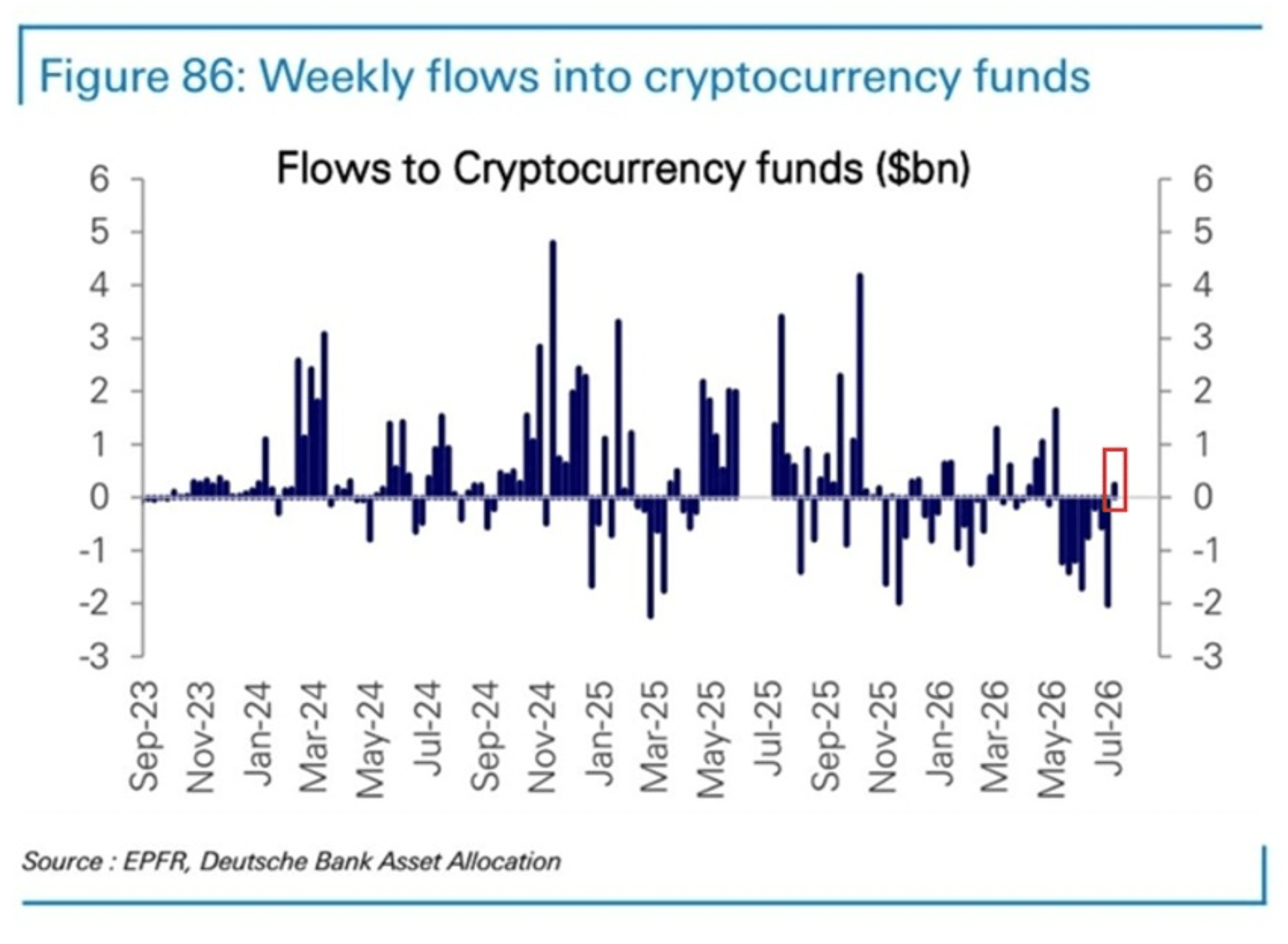
As per AMBCrypto’s previous report, $197.4 million flowed into Bitcoin funds, and $84.4 million flowed into Ethereum [ETH]. These inflows also ended an eight-week outflow streak that depleted more than $7 billion from cryptocurrency ETFs.
Unfortunately, even after zooming out, the image remains somehwat sobering. This, because the 12-month inflows fell to about $1 billion, from a peak of $12 billion in October 2025 and $10 billion in late April.
However, buyers may be beginning to return now after two grueling months. Even though no one is prepared to declare a bottom, the first two weeks of July appeared to be when flows stopped falling.
Geopolitical factors that stained H1 2026
To begin with, the conflict in the Middle East was the major reason behind Bitcoin’s bearish momentum. However, in H2 2026, things seemed to stabilize. Though oil jumped more than 5% towards the $75 resistance level, Bitcoin’s price remained comparatively resilient.
In fact, the resilience continued even after President Donald Trump withdrew from the Iran ceasefire, reigniting macro uncertainty.
How are Fed rates, DATs, and exploits also acting up?
Additionally, the central bank maintained interest rates between 3.50% and 3.75% through mid-2026, indicating that it is not in a rush to lower rates because inflation is still above its target.
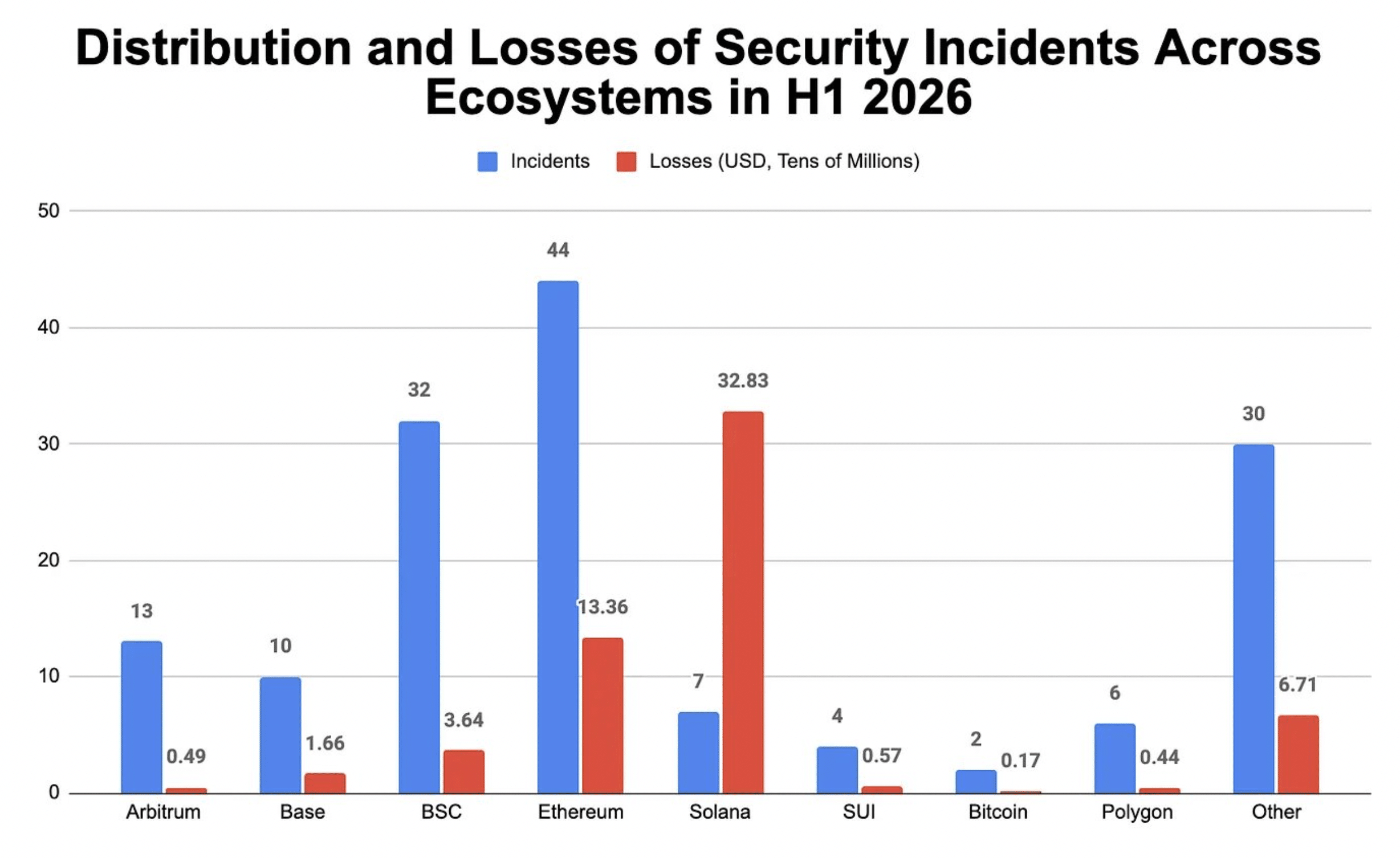
Another factor that hurt the cryptocurrency market in H1 2026 was the rise in blockchain security incidents, which increased by about 50% year over year to 182. However, overall losses decreased by about 60% to about $956 million, as opposed to $2.37 billion the previous year.
Nevertheless, with Strategy selling 3,588 BTC, or roughly $216 million, to pay preferred stock dividends, the drop in BTC holdings stirred the pot in July.
This alone hinted at the fact that investors may be awaiting for more convincing evidence that inflation is decreasing.
However, with the total distributed RWA market capitalization exceeding $33 billion, representing a 200% year-over-year growth and a nearly 20x increase since January 2024, hope remains.
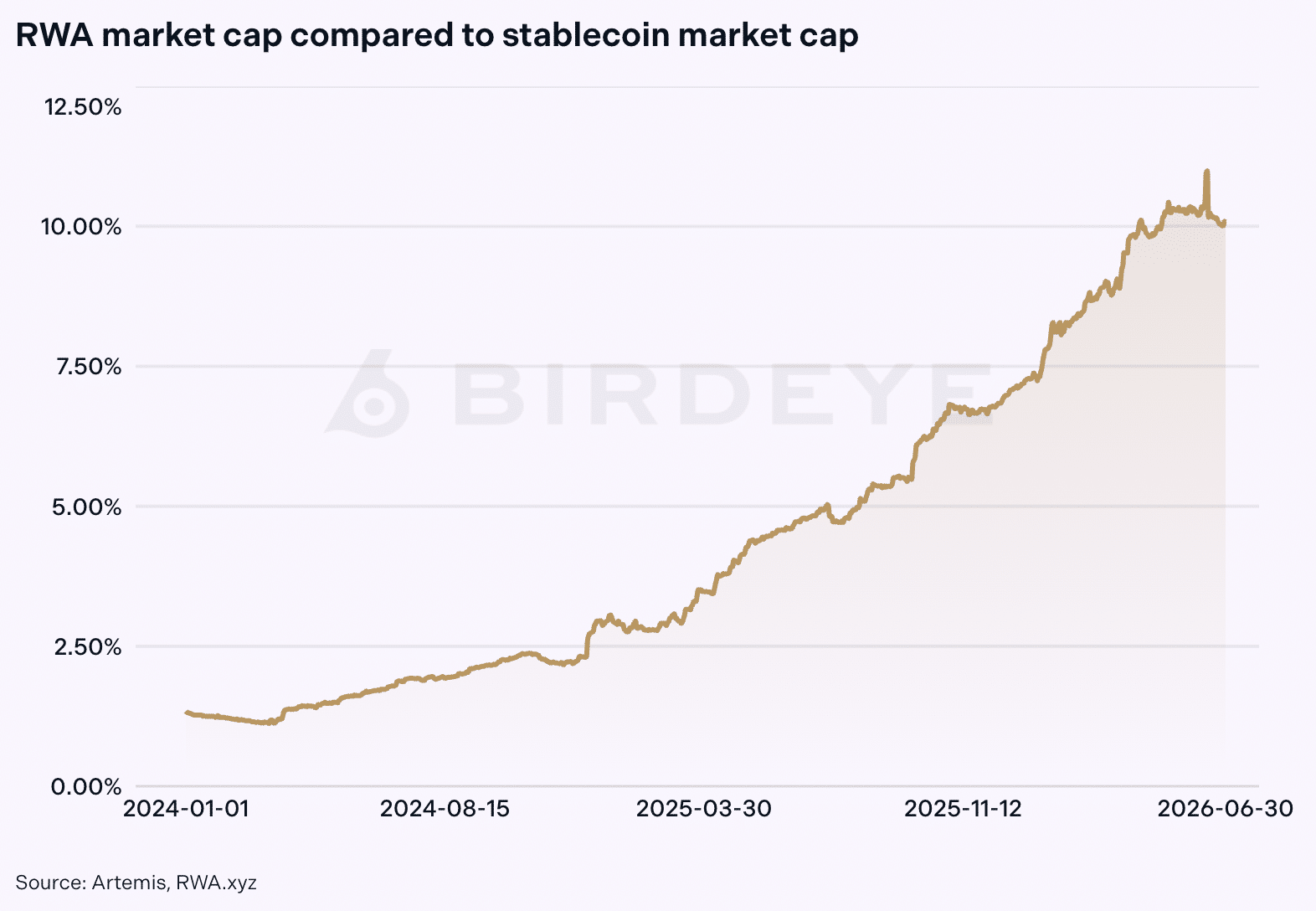
This, because the RWAs’ growth highlighted in the H1 2026 report from Birdeye Research significantly outpaced the stablecoins’ 2.4x growth during the same time period.
What’s ahead?
So, it’s best to conclude that a bottom is not confirmed by any of this.
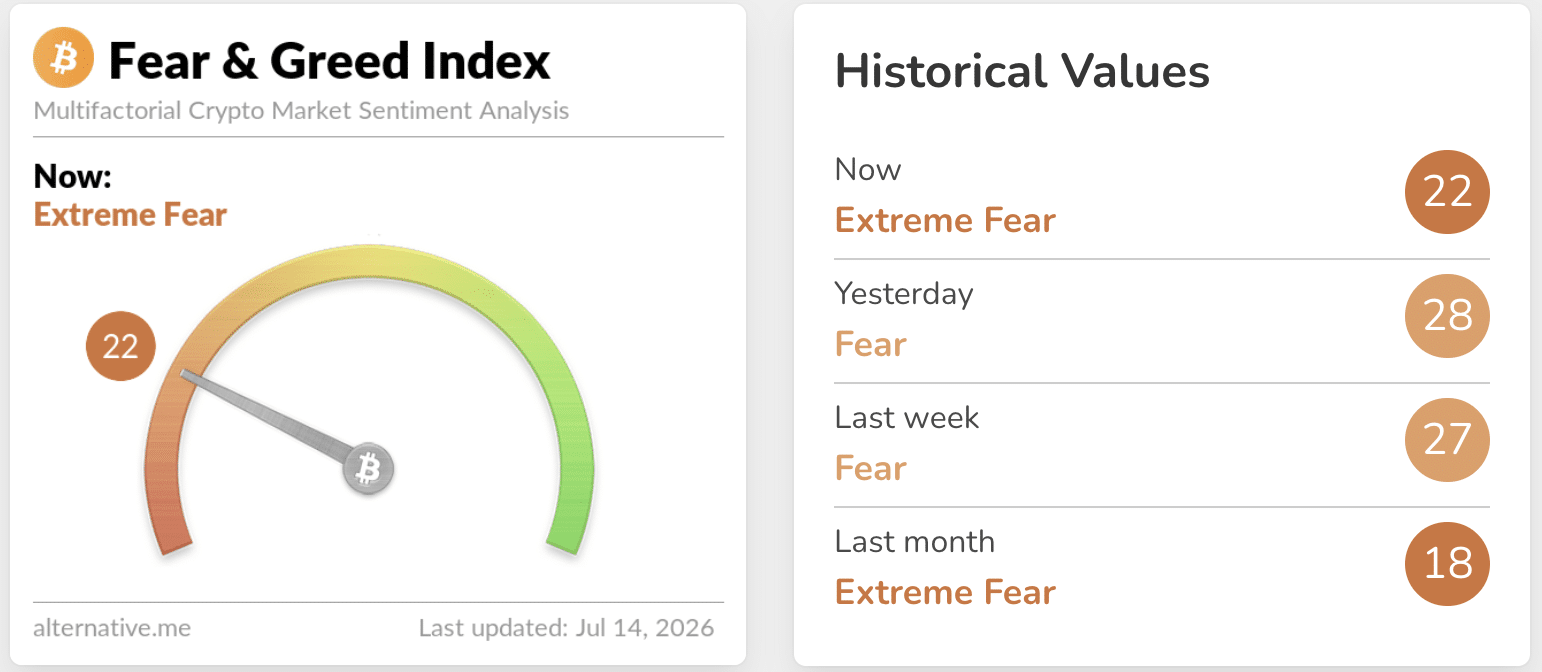
As expected, $7 billion in outflows cannot be reversed by a single strong week of inflows. This sentiment was well reflected by the Crypto Fear and Greed Index, which was still in the “Extreme Fear zone” at press time.
Final Summary
- H2 2026 has brought in fresh optimism in the market, but concerns still remain.
- Though Bitcoin ETFs shifted the bearish sentiments, security breaches, price actions, and others are putting stress on the market as a whole.